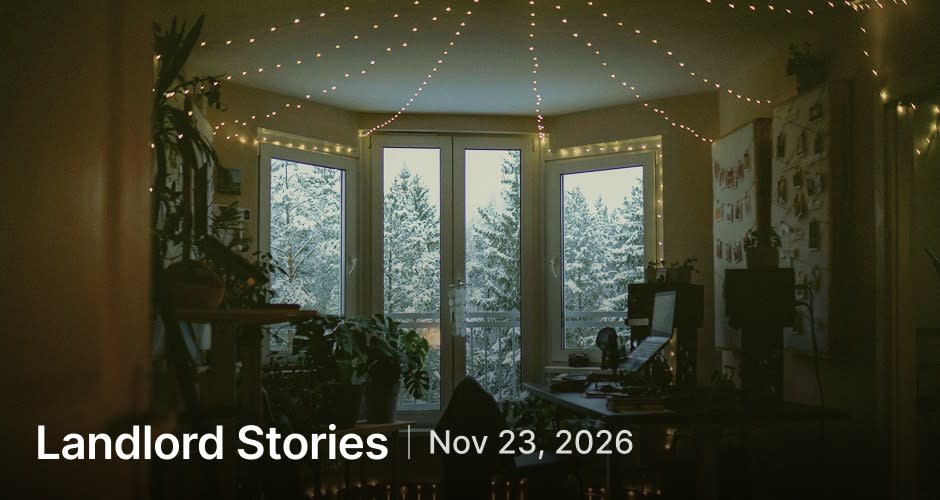
The best holiday tips for landlords focus on three things: setting up a clear way for tenants to reach you, preparing the rental for cold weather and longer absences, and sharing simple decorating rules. Update your listing with these expectations before the season starts so tenants know the plan before they pack.
Here's something most landlords notice about the holidays: your tenants usually don't change, but their routines do. The travel nurse who's been in your unit since September may fly home for two weeks. The corporate traveler may head out for a long stretch between projects. These holiday tips for landlords will help you plan for empty days, cold nights, and the moment something breaks while everyone is with family.
What changes for landlords over the holidays
Mid-term tenants tend to stay put through the holidays. What shifts is how often they're actually home.
Many tenants leave for longer than usual to see family or travel. At the same time, the first real cold weather of the year starts to show up. That combination is where problems hide. A furnace that quits, a pipe that freezes, or a package left on the porch for ten days is easier to catch when someone is living there.
Planning for both the absence and the weather is the whole job this time of year.
Set a holiday communication plan before tenants leave
If you take one thing from this list, make it this one. Tenants need to know how to reach you if something goes wrong, and you need a way to reach them that doesn't take over their holiday.
Pick a channel and tell tenants what to expect
Choose how you'll communicate over the holidays and say it plainly. For many landlords, text or messaging within the Furnished Finder app work best. It's quick, it leaves a record, and nobody has to step away from dinner to take a call.
As a Furnished Finder landlord and co-host of the Landlord Diaries podcast, I learned this firsthand. One of my buildings lost heat during a snowstorm right before Christmas. Because I had already set expectations that updates would come by text, I could keep her tenant informed through every step of the repair without pulling them onto phone calls during family time.
The tenant always knew what was happening. And the family gathering stayed a family gathering.
Ask about travel dates
A friendly message in early November goes a long way. Ask tenants whether they plan to travel and roughly when they'll be gone. You're not checking up on them. You just want to know if the unit will sit empty when the forecast turns.
Share your backup plan
Let tenants know who to contact if they can't reach you, and how fast they can expect a reply. If you have a go-to plumber or HVAC company, keep their number handy. Contractors book up fast in December, and some close for the holidays entirely.
Messaging tenants directly through Furnished Finder keeps these conversations in one place, and instant notifications in the app mean you won't miss a message while you're away from your desk.
Prepare your rental for cold weather and empty days
A few small steps before the cold sets in can save you from a big repair bill in January.
Agree on a minimum thermostat setting.
Ask tenants not to turn the heat off while they travel. An empty unit with no heat is how pipes freeze.
Service the furnace early.
Book a heating check before the busy season, not during it.
Plan snow and ice removal.
Be clear about who clears walkways and driveways, especially when the tenant is out of town.
Protect exposed pipes.
Insulate pipes in unheated areas and disconnect outdoor hoses.
Handle mail and packages.
Missing packages can cause stress during the holidays. I always suggest my tenants get a PO Box or utilize Amazon pickup lockers. If a package goes missing, there's little I can do to help, but these give the tenants a reliable process.
Check smoke and carbon monoxide detectors.
Winter means more heaters running and more candles lit. (Remember, you can use House Rules within Furnished Finder to detail if things like candles or scents are allowed. I do not allow them at my properties because of fire risk.)
Make your decorating rules clear
Holiday decorations make a rental feel like home, and that's a good thing. Let tenants know they're welcome to decorate.
The rule that protects my property is simple: nothing gets permanently attached, and nothing should damage the walls. Removable hooks, tabletop decor, and string lights that don't need nails are all fair game.
Saying this up front means tenants don't have to guess, and you don't have to walk in after New Year's to find nail holes in fresh paint.
Update your Furnished Finder listing for the season
Your listing is the easiest place to set holiday expectations once, so you aren't repeating them in every conversation. Before the season starts, review your house rules and add:
How you prefer to communicate, and how quickly tenants can expect a response
Your decorating policy, including what can and can't go on the walls
What tenants should do before an extended trip, like leaving the heat on and letting you know their dates
Who handles snow removal and winter upkeep
While you're there, double-check your calendar so it reflects real availability through the end of the year. A tenant planning a January move is searching now.
Protect your property while it's quiet
Even with a solid plan, winter brings surprises. A damage protection plan gives you a backstop if something goes wrong while your tenant is away or after they move out. If you haven't looked at your coverage in a while, the start of the holiday season is a good time to review it.
Holiday checklist for landlords
Use this quick list before tenants head out:
Confirm your holiday communication channel with every tenant
Ask about travel dates
Share a backup contact and your go-to repair numbers
Set a minimum thermostat agreement
Schedule a furnace check
Clarify snow removal duties
Share your decorating rules
Update your house rules and calendar on Furnished Finder
Review your damage protection coverage
Your tenants have plans for the holidays. Make sure your rental does too. Log in to Furnished Finder, update your house rules with your communication and decorating expectations, and head into the season knowing your property is covered.