If you are a real estate investor comparing monthly rentals vs. short-term rentals, it is easy to assume they are basically the same strategy with different booking lengths.
They are not.
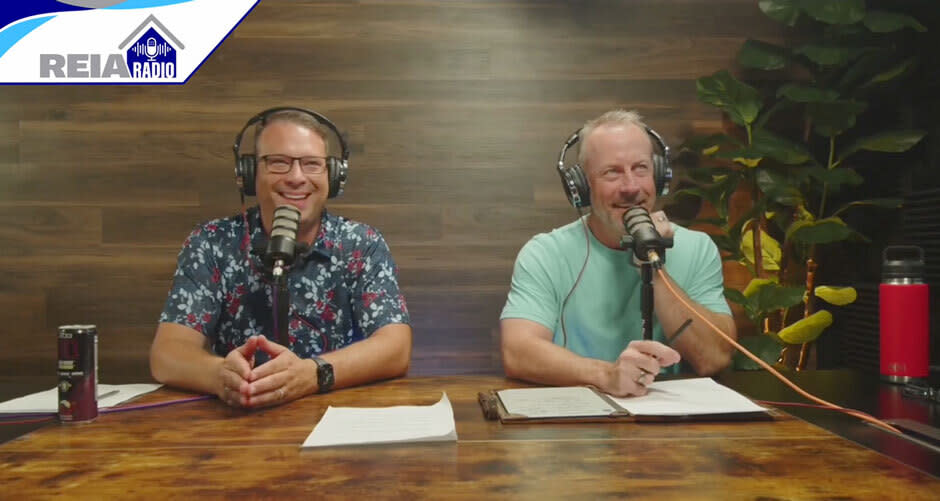
In a recent REIA Radio episode, Furnished Finder CEO Jeff Hurst offered one of the clearest ways to think about the difference: monthly rentals are for living, while short-term rentals are for vacationing. That distinction may sound simple, but for landlords it changes everything, from where you buy to how you furnish to which tenant demand you should actually underwrite.
That is also why more investors are rethinking how they use furnished housing. In many markets, monthly rentals are no longer just a backup strategy. They are becoming a distinct investment model built around flexible housing demand, longer stays, and more practical day-to-day living needs. Furnished Finder says it now offers more than 300,000 furnished properties across the U.S. and positions itself specifically around 30+ day stays without commissions or booking fees.
If you want to hear the full conversation that inspired this article, listen to Jeff Hurst’s REIA Radio interview here (opens in new tab).
Why monthly rentals vs. short-term rentals is the wrong comparison unless you start with the use case
The biggest mistake landlords make is starting with the platform instead of the property.
A short-term rental usually serves leisure demand. It performs best when people are traveling for a reason tied to experience: beaches, ski towns, lake weekends, downtown events, or vacation-heavy destinations.
A monthly rental usually serves a housing need. It works best when people are moving, working, rebuilding, transitioning, or trying out a new area before making a longer commitment. Furnished Finder describes monthly rentals as furnished stays of 30+ days that bridge the gap between nightly stays and traditional leases.
That is why this is not just a pricing conversation. It is an asset-fit conversation.
The right question is not, “Should I do Airbnb or midterm rentals?” The better question is, “What need does this property solve, and for whom?”
A monthly rental is not just an Airbnb with a 30-day minimum
A lot of investors assume they can take any furnished short-term rental, extend the minimum stay, and call it a monthly rental strategy. In practice, that is often the wrong move.
Vacation rentals and monthly rentals tend to work in different places and for different reasons. Short-term rentals often thrive in destination markets. Monthly rentals tend to perform better near hospitals, universities, commuter corridors, corporate hubs, infrastructure projects, and neighborhoods people can actually live in for one to twelve months. Furnished Finder’s own resources emphasize that monthly rental demand now extends beyond travel healthcare into a broader flexible-housing market.
That does not mean an STR can never become a monthly rental. Many can. But not every vacation property has the location, layout, or renter appeal to support a true monthly rental strategy.
The best monthly rental opportunities are often not the flashiest ones
One of the strongest investor takeaways from this episode is that monthly rental opportunity often shows up in places that would never be considered “hot” STR markets.
Why? Because monthly rentals do not need tourism. They need demand from real life.
That can include:
neighborhoods near hospitals and medical campuses
towns with large construction or infrastructure projects
areas near universities and research centers
suburban locations with strong schools and everyday amenities
smaller cities with limited hotel supply or limited furnished housing options
Furnished Finder’s Market Insights tool (opens in new tab) is built around exactly this kind of analysis, showing market-level demand, pricing, and tenant search trends.
For investors, that means some of the best monthly rental markets may be the ones other landlords overlook because they are not glamorous enough for a vacation strategy.
Who uses monthly rentals now?
Furnished Finder says its largest traveler audience is now corporate travelers, while travel nurses are the second-largest tenant group, and demand from other renter categories is growing quickly.
That broader monthly rental demand can include:
construction and skilled trades workers
healthcare professionals
corporate travelers and consultants
relocating families
insurance-displaced households
grad students and professors
remote workers and other flexible-living renters
Furnished Finder’s public materials and market resources consistently describe the monthly rental market as being driven by traveling professionals, relocating families, healthcare workers, and other renters whose needs fall between monthly travel and a one-year lease.
For landlords, that mix matters. The broader the demand base, the more resilient the strategy can be.
Why “try before you buy” may be one of the most important monthly rental use cases
A particularly strong angle from this episode is Jeff’s emphasis on relocation renters, especially people who want to try a city before they buy in it.
That use case is easy to underestimate. A household moving to a new metro may not want to commit to a home purchase immediately. They may not know the neighborhoods, commute patterns, schools, parking realities, or the overall rhythm of the city. A monthly furnished rental gives them time to evaluate all of that without rushing into a long lease or a home purchase.
This aligns with broader monthly rental demand trends (opens in new tab) described by Furnished Finder and AirDNA, which frame monthly rentals as a fast-growing segment shaped by mobility, affordability pressure, and evolving renter preferences.
For investors, that means a monthly rental can be more than temporary housing. It can be part of a household’s decision-making process.
Furnishing for monthly rentals is about livability, not spectacle
This is another place where monthly rentals and short-term rentals diverge.
A short-term rental often needs visual appeal and amenity-driven marketing. A monthly rental needs to feel functional and easy to live in.
That means the furnishing plan should match the renter profile:
a traveling nurse may care about blackout curtains, quiet, and Wi-Fi
a contractor crew may need durable, simple furnishings and a BBQ pit
a relocating family may value kitchen usability, parking, pet friendliness, and a more home-like layout
Jeff’s comments in the episode support an important operating principle: do not furnish to impress other landlords. Furnish to solve the tenant’s actual use case. Furnished Finder also highlights that landlords should understand what quality tenants in their area are searching for, which is exactly what its data products are meant to help clarify.
Why monthly rentals can work so well financially
For many investors, the economics of monthly rentals come down to a simple question: what is the return on furnishing a property for 30+ day stays? For many investors, the math starts with a very easy decision: if a low annual listing fee can help you land even one solid 30+ day booking, the upside can far outweigh the cost.
That creates a compelling middle-ground model:
more income potential than a traditional unfurnished lease
less turnover than a nightly STR
less dependence on tourism demand
avoids the fee-heavy booking structure of vacation platforms
It also means the best monthly rental upside may come from properties that were previously just average long-term rentals, not from trying to force every vacation property into a new format.
The biggest lesson for landlords
This REIA Radio episode does not just explain the difference between monthly rentals and short-term rentals. It gives landlords a better framework for choosing between them.
Start with the use case.
Ask:
What is this property actually good at?
Is it built for vacation demand or everyday living?
Would it serve a nurse, consultant, contractor crew, relocating family, or insurance-displaced renter better than a weekend guest?
Is this a location people visit, or a location people need to live in for a while?
That is where the real strategy starts.
Because monthly rentals are not just “short-term rentals, but longer.” They are a different category, serving a different need, with a different operational logic.
Final thoughts
If you are deciding between monthly rentals vs. short-term rentals, the best answer may come from Jeff Hurst’s simplest point: Short-term rentals are for vacationing. Monthly rentals are for living.
That distinction helps investors avoid mismatching the property, the renter, and the business model.
It also explains why monthly rentals are gaining traction in suburban neighborhoods, workforce-driven markets, university areas, and smaller cities where flexible housing demand is real but nightly travel demand may be weak. Furnished Finder’s market data and 2026 monthly rental report (opens in new tab) both point to a category that is broadening well beyond one renter type or one niche use case.
For landlords who want a furnished rental strategy built around practicality, longer stays, and real housing demand, monthly rentals deserve a serious look.
Listen to the full REIA Radio episode featuring Jeff Hurst here (opens in new tab).
Explore Furnished Finder, monthly rental data, and landlord resources here (opens in new tab).
Transcript
You're listening to REIA Radio, the nationally trusted name in real estate investing. We dig deep to discover investors why in real estate. If you want to skip all the BS and get investors heads, you're in the right spot. be one of the thousands to check out as a company and as a leader. The first thing I learned from it is like do not define your own success relative to somebody else. Like it's a moving target. Know what you want to stand for. Go stand for it and do it well. And otherwise you're always chasing in a way that really impacts your ability to have both consistency and I think to some level integrity. Welcome to REIA Radio episode 230 with Jeff Hurst. Man, the REI Summit just keeps paying dividends over and over again. Our our trip. So, Jeff, I didn't I actually didn't realize this or I I'm sure he told me and then I just probably forgot like I usually do, but uh you ran into Ted at REI Summit, which now correct me if I'm wrong, that took place in Austin. And you have Austin is a home base at least right now, right? For you. I do. I uh I went to university here in the '9s and I have been living here since 2010. I don't notice any Texas draw. Did you uh have to work hard on uh losing that or is you you were just No, I had to work hard. I remember I spent a after my junior year of college, I lived in Manhattan, was working at Goldman Sachs and just got the taken out of me by everybody in New York about it and worked pretty hard to like make that go away. I thought it was going to be a career impediment and then moved to California after that where it was a little bit more acceptable because they've got their surfer draw and um you know I always tell people if you know if you catch me at the lake after a couple of Gor lights then you pick up the draw a little bit when I wake up. Does the bourbon bring out the inner Matthew McConnA uh accent uh for you? He was uh yeah he was actually a little older than uh than me in my fraternity. So we've got some overlap. Oh that's cool. Do you ever see him around anywhere randomly? Oh, you people see him around Austin all the time. His kids are is my kids age and so he's just kind of like a dad that goes to, you know, goes to watch his kids perform, goes to watch his kids on the sideline, and people give him a decent amount of space. All right. All right. Um, okay. Now, and just, you know, shout out to Megan for making Yeah. Megan Ahern as always, super connector, so we uh we love that. But um yeah, we're excited to have you on and we're going to dig into all things Furnished Finder. But first, we want to find out more about who is Jeff and uh how did you get into, you know, kind of the the business that you're in now and find a little bit more about what makes you tick. So, you mentioned that you spent some time in Manhattan. Also, kudos for not picking up a New York accent. So, that would have been equally as offensive, I think, to probably West Coast folks. So, you started out kind of on the path, it seems like, uh Goldman Sachs, so you went into investment banking right out of uh got your MBA from Stanford, uh if I got that right. That's right. and then uh then headed to uh Manhattan. What was it like working on Wall Street? Yeah, I mean Wall Street so the the evolution uh Wall Street was my internship when I was in undergrad and had an offer to go back to Goldman. Didn't love Manhattan. You know, I think I'm kind of texting at art and really like the outdoors and being close to nature and so ended up going to work for a consulting firm in San Francisco. You know, a lot easier to kind of get around and explore the wild from there. Loved San Francisco. Spent a decade in the Bay Area. Got married while I was out there. Went to Stanford out there. And then when we had our daughter in 2010, like the city just kind of broke. I was traveling a lot. It was super expensive. We couldn't see how we were going to raise a family the way we wanted to. So we moved back to Texas to be closer to my parents and her parents. And that's when I joined Home Away. So I joined Home Away in 2010 when we were private. I spent 5 years at private home away taking us public and then was the chief strategy officer when we sold to Expedia and then stayed on after the acquisition. was the chief commercial officer of Homeaway VRBO, was then the president of VRBO, and then ultimately the chief operating officer of Expedia Group. Wrapped that up at the end of 22, took a year to not do anything. Uh realized that if I had more money, I would have continued to not do anything. Um I really enjoyed just really enjoyed just, you know, we owned some short-term rentals and like I lik1 2 3 4. You're listening to Rio Radio, the nationally trusted name in real estate investing. We dig deep to discover investors why in real estate. If you want to skip all the BS and get investors heads, you're in the right spot. be one of the thousands [Music] as a company and as a leader. The first thing I learned from it is like do not define your own success relative to somebody else. Like it's a moving target. Know what you want to stand for. Go stand for it and do it well. And otherwise you're always chasing in a way that really impacts your ability to have both consistency and I think to some level integrity. Welcome to RIA Radio episode 230 with Jeff Hurst. Man, the REI Summit just keeps paying dividends over and over again. Our our trip. So, Jeff, I didn't I actually didn't realize this or I I'm sure he told me and then I just probably forgot like I usually do, but uh you ran into Ted at REI Summit, which now correct me if I'm wrong, that took place in Austin. And you have Austin is a home base at least right now, right? For you. I do. I uh I went to university here in the '9s and I have been living here since 2010. I don't notice any Texas draw. Did you uh have to work hard on uh losing that or is you you were just No, I had to work hard. I remember I spent a after my junior year of college, I lived in Manhattan, was working at Goldman Sachs and just got the taken out of me by everybody in New York about it and worked pretty hard to like make that go away. I thought it was going to be a career impediment and then moved to California after that where it was a little bit more acceptable because they've got their surfer draw and um you know I always tell people if you know if you catch me at the lake after a couple of Gor lights then you pick up the draw a little bit when I wake up. Does the bourbon bring out the inner Matthew McConnA uh accent uh for you? He was uh yeah he was actually a little older than uh than me in my fraternity. So we've got some overlap. Oh that's cool. Do you ever see him around anywhere randomly? Oh, you people see him around Austin all the time. His kids are is my kids age and so he's just kind of like a dad that goes to, you know, goes to watch his kids perform, goes to watch his kids on the sideline, and people give him a decent amount of space. All right. All right. Um, okay. Now, and just, you know, shout out to Megan for making Yeah. Megan Ahern as always, super connector, so we uh we love that. But um yeah, we're excited to have you on and we're going to dig into all things Furnished Finder. But first, we want to find out more about who is Jeff and uh how did you get into, you know, kind of the the business that you're in now and find a little bit more about what makes you tick. So, you mentioned that you spent some time in Manhattan. Also, kudos for not picking up a New York accent. So, that would have been equally as offensive, I think, to probably West Coast folks. So, you started out kind of on the path, it seems like, uh Goldman Sachs, so you went into investment banking right out of uh got your MBA from Stanford, uh if I got that right. That's right. and then uh then headed to uh Manhattan. What was it like working on Wall Street? Yeah, I mean Wall Street so the the evolution uh Wall Street was my internship when I was in undergrad and had an offer to go back to Goldman. Didn't love Manhattan. You know, I think I'm kind of texting at art and really like the outdoors and being close to nature and so ended up going to work for a consulting firm in San Francisco. You know, a lot easier to kind of get around and explore the wild from there. Loved San Francisco. Spent a decade in the Bay Area. Got married while I was out there. Went to Stanford out there. And then when we had our daughter in 2010, like the city just kind of broke. I was traveling a lot. It was super expensive. We couldn't see how we were going to raise a family the way we wanted to. So we moved back to Texas to be closer to my parents and her parents. And that's when I joined Home Away. So I joined Home Away in 2010 when we were private. I spent 5 years at private home away taking us public and then was the chief strategy officer when we sold to Expedia and then stayed on after the acquisition. was the chief commercial officer of Homeaway VRBO, was then the president of VRBO, and then ultimately the chief operating officer of Expedia Group. Wrapped that up at the end of 22, took a year to not do anything. Uh realized that if I had more money, I would have continued to not do anything. Um I really enjoyed just really enjoyed just, you know, we owned some short-term rentals and like I like tinkering with them. There's a tree down at the ranch. Let's go chainsaw. Like that's a great way to spend a day and a half, you know, doing stuff like that. And then um but kind of got to know the people at Furnished Finder and particularly the founders and was astonished. I had never um heard of the platform. You know, I'd been in short-term rentals for over a decade. Like I had no idea this thing existed. And it reminded me of 2010 Home Away. You know, simple model, killer economics for the landlords, good value proposition for the buy side, the tenants, and just got to know him and decided this is what I wanted to do. And uh I've been here a year and a half and trying to make it work. when you were doing uh consulting work for McKenzie, that's what who it was, right Mackenzie? Yeah. Which that's funny because two guests ago we had a guy named Andy Cory on and he worked for Mackenzie as a consultant for a little bit. Did any of the engagements that you went on did they fall in hospitality or uh in the in that sector or how how did you I guess how did happen? I was typically in the consumer practice at Mackenzie. So I did a lot of I did work with you know apparel Starbucks, Levis's, Gallow like you know a lot of big consumer names. Homeaway happened because living in San Francisco there were a lot of cool houses and in particular around Tahoe at the time. Get houses near Yusede. We did houses in Napa and so like I just loved the product. Like I thought it was a better value. I thought it was a good way to travel. You know, we were usually traveling as couples and I just loved the product and so I was drawn to it as a consumer and then got to know I had a classmate who was there. Uh the CEO and founder Brian Sharples was a Stanford GSP guy who had also been a consultant. So, I just kind of it it felt like it was a good product and it also felt like it was a potentially successful business. Did you have any vacation rentals or midterm short-term rentals before you got into the industry? No. I mean, I lived in San Francisco. I was broke. Um, you know, I was just trying to trying to squeeze some pennies together and get through it. No, I bought my first one in 2012. You know, realized I kind of had a data advantage being at home away. We bought one on Lake LBJ with another family and Where is that? The is that Ladybird Ladybird Lake? Is that what No, Ladybird Lake is the one that runs through town. Texans love nature, but we don't respect its power. So, we damn the river all the way up. So, it's Ladyber Lake, Lake Austin, Lake Travis, Lake Marble Falls, Lake LBJ, which is what I'm on. Okay. Then it's Lake Inks and then it's Buchanan. And so, we have a uh it's a really cool house there that we owned with another family and then we bought it all out ourselves a few years ago. And, you know, it's kind of like a family heirloom and the kids love it, but it's also very much a working short-term rental. I used to self-manage it and just last year I hired a manager the first time. How's that experience been going from self-managing to managing it uh or having a third party as Ted did the reverse of that uh just recently? I'm curious what the contrast here is. Well, add a little more context. So, uh self-managing it when we had a co-owner and it was my only property, not a huge deal. We bought a property in South Padre a few years later. That was 2020. And then we bought a ranch in 2022 that we run as a short-term rental. So three of them further away without any real like uh economies scale for logistics was a big burden. Yeah. And then when I went back to work, it was my first time CEO and I realized like I need to find a way to get some free up some time. I have had a um had had a really terrific management experience at South Padre which is a lot further and so that kind of opened my eyes to how much more they could do than like just turn over and so spent time to find a great one in LBJ and have been really thrilled with the level of service. You know, I think if I were unemployed, I'd probably be more inclined to maybe self-manage again, but I think that property managers do themselves a disservice the way they talk about their business model because like right now, we had floods in Texas. my dock washed away, my beach washed away, like we had a ton of damage and like the guy's at my house, you know, the owner of the property management company meets me at my house the next day and we're making a plan and he's helping coordinate and it's like it's that type of stuff that I think is what you're really paying for more so than like can I optimize an extra 2% on price or can I get the cleaners to show up, you know, reliably. Like everybody can do that. When you find someone who's great, they're really a partner in managing the asset for you. Yeah. And I would think, now this is me personally, but I would think, you know, having something cuz how far is the one uh that you mentioned that's uh they're they're both about uh they're both about an hour and 15 minutes from my house, the ranch and the lakehouse, but South Padre is a six-hour drive. Yeah. So, South Padre, I was thinking about that because it's not like you can just hop in your, you know, truck or car and go down there and fix a lock or something like that. So, I would think having reliable maintenance people and repair work done is probably another hurdle with self-managing where you might not have. Yeah. You know, at at the lake, you can just kind of figure it out. Down in South Padre, you can't. And then you also have, you know, the lakes's prone to flash floods and South Padre is prone to hurricanes. Like when something needs to be prepared or taken care of, you don't have the luxury of time. Like you really need to go take care of it right away. And so it help you've got to have people on the ground for stuff like that. I think urban's a little different and if you've got a portfolio of urban or you know near you, it's a lot easier to piece it together and manage it yourself than vacation properties. Now, okay, let's say I am like, you know what, I want to be like Jeff when I grow up and I'm going to buy uh I'm going to buy a midterm or short-term rental in South Padre. He's been talking about this for a while, by the way. Walk me through um okay, what I guess first of all, what does a management company charge? I'm sure there's probably a range. Yeah. But like what what can you expect if you want to have a third party person do it for you? So, first of all, to clarify, the two models are like not at all interchangeable. Midterm rental. Yeah. You know, a midterm rental in South Padre is probably a pretty bad idea because you make so much more rate as a short-term on peak season managing it as such. And so, you know, you might have a hybrid strategy where a midterm could be your offseason strategy and try and get a winter tax in or somebody for a month or two. But in general, the properties you need for a mid-term rental are more urban, suburban, they're around hospitals, primary schools, commuter corridors, construction, universities, whereas short-term rentals around beaches, lakes, mountains, skiing, ski out. Like it's rare they overlap. You know, I start from a place of invest in what you know. And so for me, I knew that lake. I knew that lake. I knew who went to that lake. And I felt like I could serve them well. And then the second step, and I can't stress this enough, like there's no substitute for buying a good property at a below market price. Like it can fix everything. You know, if you really find a seller who needs to sell or a property you really believe in, that's the fulcrum for everything that happens after it. If you pay too much for the property, you can't operate yourself out of it every time. And if you get a property for a steel, then you can actually be a pretty crappy operator and do really well. seems like that's why I'm doing so good. But that has a big buffer then with all the stuff you buy. Um, okay. That's interesting. Now, if if you don't mind, uh, so I I like the distinction you're drawing here between what makes a good avatar for uh a short-term rental versus one where you're going to have somebody staying for 3 months, four months, something like that. So, if I heard you right, basically a destination location where there's a lot of stuff to do, touristy activities, that's probably going to be the sweet spot, you know, for a short-term like a VRBO, Airbnb type setup. And your proximity to employers and transit is going to be more prevalent in a midterm or a longer term rental, right? Yeah. I mean, I think that the shortest way to sum it up, midterms are for living and short terms are for vacationing. Yeah, that makes a lot of sense. Now, I'm curious. Um, it seems like you've worked for almost all of the hospitality related companies. Is Zillow next? I don't have any suspicions on what next is. I'm still pretty early in this thing. You know, I do think that, you know, when you look at the space we play in, you know, midterm, like the middle is an analogy that holds in a lot of different ways. like we're between the short-term guys, you know, Airbnb is probably the biggest consumer competitor we have, but Airbnb VRBOing, but the other side it really is Co-Star, it's Zillow, you know, and it's uh maybe Realtor.com (opens in new tab). And so there's these valley of giants that compete with us on both sides. And we're kind of this little player in the middle trying to carve out a niche. And I think we do things that are better than both sides, but at the same time, like you can't compete with Zillow and Airbnb on technology and design. They're worth tens of billions of dollars. You know, we've got 40 people in Austin trying to make it work. Yeah. No. Okay. So, the headquarters for Furnished Finder is in your uh your home base, right? Okay. Now, when you're And we actually come to the office. Oh, do you? Okay. All right. So, uh is shooting the uh the the postcoid uh model of uh remote work only. Is it is it true that when you took over there was only two employees running this? There were um there were three founders and four US employees. Okay. And then there was a team in India and a team in Colombia. Um and so I hired a lot of the original Home Elmo crew to come rebuild the technology and kind of modernize the approach. I'm a user so I I notic a significant change in the app in the last 12 months. Yeah, it's starting to really work. Good. Yeah. Yeah. I remember I had I had questions and I was at the REI Summit and your staff was helping me through a lot of the questions like Oh yeah. And then the cool thing was there was a glitch and she's like, "Let me take that." And then she's like, and then she sent it to your guys' developers. She's like, "Yep, we'll have that fixed by tomorrow, probably." And I was like, "That's pretty sick. We're trying." You don't you don't get that from your other groups. Now, when you came in and uh Ted uh mentioned before you you hopped on the call here, you're at what, 30 employees? Is that what you said? 40. 40. So, we're we're 40 in the US. 40 in the US. Okay. We have u we have some engineering in Mexico and Latin America and we have about it's a really interesting story. We have about 175 women in Colombia who are the customer service and sales team and so it is a 100% female team. Our um our chief operating officer kind of has a she's she's Colombian. She grew up there and has a you know I'd say it's a passion project in terms of elevating women and career potential in Colombia. And so the team's kind of evolved that way. But that's why, you know, much more so than the giants on either side of us, you can call us and somebody's going to talk to you and help you figure out what's going on. 175 women, specifically women. So that that you're uh it's not a policy that we only hire women, but it's kind of been how it turned out. I think we've got two or three men now in Colombia, so we're slowly turning the tide. Wow, man. Can you imagine being the one guy or two guys working in that office or if like everybody happens to you know have a baby fever at the same time that would be they are fully remote so we don't have that dynamic. Okay. Okay. Uh oh that's wow. Okay. So when you came on board it sounds like you beefed up the US staffing quite a bit. And if you can't share this I understand we can sign an NDA uh retrospectively here but uh retroactively. Did you have to come to them with a staffing plan and say, "Hey guys, thanks for bringing me on. We're hiring 30 people or or what did that look when you came in?" I was working with a private equity firm, Summit Partners, that basically bought out part of the founders position. So, the founders are on the board. Summit was coming in with me and with capital. And as part of my joining, the commitment from the founders and summit was that I could use the capital. And so I put a plan together before the transaction of like I think it's going to take about this many people to build the type of experience we need to build. And so plan on it and you if you want me to be doing this job then I'm going to need the resources to do this job and here's about what I think it's going to take. They've been great about giving us what we need to to improve. How does the uh home away leadership feel about Jeff Hurst right now with you recruiting a lot of their uh a lot of their you know most most of the people you know home away been around a long time and so most of the people I've recruited were at home away with me from call it like 12 to 16 or 18 but had already left Expedia and so they've gone and done other things and I'm kind of like getting the band back together. It's not a uh there have been very few people that actually joined, you know, from the Expedia mothership that I left. Yeah, it's always a little tricky when you're um I was in recruiting for about 20 years in in corporate world for uh some Fortune 500 companies, but we got some nasty grams from uh competitors like I worked for IBM for a bit and we were recruiting from some of the bigger consulting firms for their uh global consulting arm and uh we got some we got some nasty grams from like you know KPMG and uh and some of those folks like about recruiting like their non-compete and we always had to review it with attorneys and it got a little little hairy at times But yeah, I haven't fight for talent, man. A war for talent out there. I think we're still friendly, but you know, you find out along the way. Yeah. Okay. So, it's interesting. So, you you have some you're operating and owning short-term rentals, midterm rentals. You're So, you're eating your own cooking there. When you decided to take the helm of Furnished Finder, in addition to staffing, what were some of the business challenges that were facing you walking into that role? And what did you what moves did you make to kind of address those? Hands down the top the top challenge was technology. And so uh you know Fernfinder is actually remarkably uh it's been around a long time. It's been around 10 years and the technology stack you know so was basically started being built in 2014. It was allnet which is not a very modern mobile friendly codebase and so there was a essentially a complete overhaul required to modernize the approach you know enable the possibility for an AI forward evolution and you know make it fast reliable the types of things you expect. So by a landslide that was the top thing. Uh the second thing was really about the company grew so much during co because of travel nursing that people think of us as a travel nurse platform. Y and so we had to get the brand to evolve to help people realize how many things we do that aren't travel nurses. And so that was probably the second challenge. And I think we've done a great job adding not only different types of tenants to the platform, but also helping people get over that stigma of like if I don't have a one-bedroom near a hospital, this isn't worth it. Like that's just not true anymore. And then the third thing was basically we had to create more economics in the company. You know, it was weirdly like it was popular because it was so cheap. It was $99 a year with no additional fees at all. But because it was so cheap, it was also actually really hard to invest enough to get the product up to the expectations of people who were either using Zillow or Airbnb. Like there's this minimum viability you have to achieve. And so we had to raise price. You know, I still think it's probably the best deal in all of real estate, but it's $80 more expensive than it used to be in order to invest enough to get the marketing, the technology to work. Now, I know Ted has obviously been a consumer on the ownership side for leasing out his properties that he has. So, in your business model, do you have both, I guess, your travelers that utilize it and do they pay for their service for your services as well? That is the value prop is that they don't. And so, the reason people use Furnisher, if you think about that, you know, historical avatar of a travel nurse, let's say she makes $90,000 a year, she does three gigs a year. So, she's traveling 8 to nine months a year. Uh, and she's got a $1,700 a month stipend. The difference between booking on Airbnb and Furnished Finder is almost two weeks of take-home pay. And so, if you're booking on Furnished Finder, you're not paying that 10 to 15% service fee. The landlord's not paying all the payments fees. It's just too much rake for the service being provided. Yeah. And, you know, when you're, you know, if you're traveling for a three-day vacation and it's the most important three days of the year, maybe you splurge and go for it because certainty matters. like the efficiency of the transaction matters more. But for three months and you're going to talk to the landlord and maybe do a, you know, FaceTime to or even visit it in person, you know, save the 600 bucks, save the thousand bucks. And so our platform is built on being efficient. And yeah, I think the tenants do, you know, minutes or hours more work to get it all to work, but the payback on it huge because you're going to be there for three or four months. And so that is the value proposition. The landlord pays a flat annual fee, which is how VRBO started in in the 90s. And then we're a classified site. Like Ted's phone rings or he gets an email and then he figures it out. It's not my job to tell Ted how to run his business. It's my job to introduce Ted to great tenants. And if I'm doing that, I hope he comes back. Yeah. I So I I started with the platform in 2020 when I had a manager. So I paid for my account through the property manager. Yes. At one point, I think I had 11 nurses simultaneously through the properties, but then that was shortlived on the nurse side. And then at one point, I was completely furnished with contractors and we have a ton of electricians coming through because there's so many data centers being built in Omaha. So, uh, electricians became my hot spot and then we were completely full of electricians. I just had a a booking recently. They wanted a full house for contractors. And then most recently, I just got a nine-month booking because an insurance company, and they were very aggressive. They called me personally like, "Hey, found you a Furnished Finder. You know, we need a place, house burnt down, and uh, you know, we're rebuild. The insurance company's rebuilding it, but it's going to be 9 plus months. You're one of the few people allows pets. So, you know, worked out good. And this property probably be renting for $8.95 for this one-bedroom apartment. And I'm getting $18.50 for it right now." Dang. you know, on a 700 square foot place and got a great tenant. Yeah. I mean, the the cash returns are unbelievable. And like just to kind of walk you through where we are with tenants today. A little over 30% are what you described of electricians. We call it traveling for work, but it's a mix of blue collar and white collar. And so you've got a lot of construction workers and then you've also got a lot of like entrepreneurs, salespeople or people who might be relocating for a consulting project, whatever it is. The second group is travel nurse and about 25%. The third is actually relocation. It's that most recent example you gave, but part of it insurance, most of it is actually what I call try before you buy. It's somebody moving from Seattle to Austin. They haven't sold their place in Seattle. They're not positive they want to buy in this market or that they're willing to commit to buying a place in a neighborhood they haven't lived in with neighbors and school and all that. So, they'll rent one of our homes for 6 months and be sure they like it. and then they'll buy something nearby or sometimes they'll just stay in the furnished place because they realize it's working fine and they'll put that capital to work in another way. Next use case is academic professors and grad students clustering around universities and then I'd say it's other but a lot of the other there is some leisure in there. There's some digital nomad but that third category of relocation is what I think is the most interesting and it's the fastest growing for us. A lot of people just can't afford to buy and it's not just the house. It's actually also the furniture. Furniture is a remarkably bad investment. You buy it, it's worth less as soon as you get it. Moving it's expensive. Moving it damages it. And depending on the format of the house, you've got to trade out your dining set or you don't have the right bed configuration. And so with the younger generation, more and more I'm seeing that they just don't buy furniture like as a life hack. And then they've got more option value to take jobs in places that might be in a different spot or to move format houses. And so it is like very foreign to a Gen Xer. It was like that was part of the stamp you got. But the new generation just has a totally different approach and I think that's going to be a I I honestly I thought it was when Airbnb used to talk about it. I think it's real. Like I definitely think people in their 20s and 30s are just going to live differently and in particular the way they approach furniture. You are actually spot on about that. I mean I'm not surprised you're spot on about it, but I was looking Ted and I were talking before we hit record. Uh I just looked at a house this morning with my wife because we're kicking around moving after 15 years which sucks. And we just remodeled our living room and kitchen and uh bought all new, you know, living room furniture and decked it out and all that. And now I'm kind of like, we had to make a decision on this house this morning, right? Because they already have an offer, of course. It just got listed yesterday. They got an offer last night. They're like, "Can you look at it right away?" So, we were there at 8:00 a.m. And we're looking and we're like, I'm like I've looked at so many houses over the years as an investor. I'm like, you know, usually it's just, "Yeah, yeah, I'll make an offer. Here's the offer. No big deal." Now, I'm kind of like, I don't know if our couch is going to fit. I don't know if the kids bed, like all those things. And I'm like, I didn't take measurements of that before I left. I have no idea. And now it's like 40 grand worth of furniture or whatever that we're going to have to, you know, lay out. Yeah, there's a really I mean, obviously it's a sunk cost, but there's a weird emotional attachment to it. And so, and and I think that's something that's unique not only for furniture. It's like, you know, I remember when, you know, my son spilled something on that or I remember when I used to throw, you know, lay on the bed and throw them in the air. Like that type of stuff makes it sticky. Like it creates an emotional um literally probably. Yeah, it sometimes. And and and but but it makes the switching cost harder. And I think another thing uh analogy for it, you actually get that in short-term rentals. If you're a short-term rental investor who uses it, like me with my lake house or me with my beach house, like selling that lakehouse will piss my daughter off. Yeah. Like it will it will make her sad, which will make me sad, which like increases the barrier to selling it. Mid-term rentals are different. Like it is much more of an asset class of like you don't have the same emotional attachment to it. And so between furniture and the different model, I actually think there's just better liquidity. That makes sense. I tell you what, I just got some good advice recently. I had a client, he's got 20 plus midterms here in town, really hitting that worker class clientele for that six-month point. And he's like, "One of the takeaways I gotten is that I start putting extremely easy cheap furniture in." So, steel frame beds, nothing fancy, and no decor. And I'm like, well, that doesn't really, he goes, because the bosses and everything do not want to pay for things getting broken. And when it's cheap and simple, as long as it's, you know, effective and comfortable, that's all he cares about. And exactly right. And he's like, that way if something gets damaged, they don't care. He goes, I don't care. I made enough money, I can throw it away. But it is important to remember like that's exactly right for construction. traveling nurse probably feels different. Totally different. And the relocating family definitely feels different. Yes. Yes. And you got to look at the property and decide what you're really going after. Who you're going after. Yeah. And I totally agree with that. But it made me think, I'm like, gosh, you know, cuz I I have pretty nice furniture in all my units. And I'm like, I could probably cheapen some of those up to appeal more towards the contractor class I'm trying to get in some of these. Yeah. I rule of thumb is somewhere between5 and $7 a square foot you can furnish a midterm rental. You know, a short-term rental is probably more like 25 to 30. You know, when you end though having a lot of midterms, you know what you got a lot of when you start selling stuff? Furniture. Yeah. A lot of Yeah. You have storage a couple storage units, don't you? I Yeah, I have a whole bottom of the building of the apartment is just full of furniture for replacing stuff. Yeah, definitely buy stuff you know you can replenish. This is really interesting to me that you said I think you said uh the majority of users are try before you buy folks. And I didn't even think about that at all. Like I I that didn't even enter my mind as somebody that would be a possible customer of this. But that makes a ton of sense. If I was moving to Austin, like I wouldn't know which parts. I mean, you can look at a map and you can look at schools, but you don't really get a good feel for what's going to flow well or how the traffic is or like what a pain in the ass it's going to be to get out of a neighborhood or construction going on. Like that would make a lot of sense. Like I would totally use a, you know, six-month rental to kind of figure out the city before I made a decision. Okay, do we want to buy or do we want to rent or what? I don't know why I never even thought of that, but that logically makes sense. Okay, Jeeoff, here here's a question for you. Got a property. I just renewed my year with Furnished Finder on it. Got a 9-month contract on it. So now I'm sitting here with no lead opportunity. You know, do you just I mean, do you guys expect the people just to keep that on or do do I just do I update the information, put it on a different property? It's something we know we've got to work on. I mean, you know, on the one hand, like, you're welcome. Uh, I think we did a great job for you for $179 a day. Um, but no, we have a lot of people who choose not to renew on time because they've got a fivemon booking, you know, a month before the renew will come up. And so, they'll let it lapse and then they'll renew three or four months later and, you know, basically whatever it is, save 60 bucks. And so we're exploring, is there a product we would offer that basically is almost like a hibernation mode where you could pay a couple dollars a month to keep your tenure, keep everything active on the listing, but we're not basically paying to actively market it. You know, there are a lot of features we'll be looking at turning on that are more data specific around how you can go evaluate where to buy and how we can power that experience for people who have a a product like that. And so we'll be introducing new stuff next year that helps to address it. We do encourage people to stay active all the time because you don't know someone's ever going to break a lease and when you're going to need it. And you also, you know, we do reward tenure and being on the platform as a trust signal for sort order and how we manage the marketplace. I mean, because just to be real, my mindset is I got quite a few units that are all furnished. I'm like, "Oh, it's rented for nine months. I I want to just go update it with another one of my units and and take advantage of of my subscription I already bought." Yeah. I mean the um you know if you think about it from our side, if somebody's got 20 listings and they buy one subscription and are really efficient at using one subscription to go get 20 bookings, four bookings on 20 listings because they constantly cycle it through, there's no way I can get that math to work. Like I've got to spend too much money on marketing and technology to pull it off. Our point of view is at $179 a year, your use case, you'll make $16,000 or so from that $179. You know, it's less than a 1% marketing spend. That's great. There's nothing better. And so I would like to find ways to partner and lower it to address what I recognize as a pain point of it. Like it feels idle because you it's done its job and you don't need it right away, but we actually still need to have enough money to work on your behalf when it's not filled for 9 months. Yeah. And I don't know what that that is, but getting the credibility of being on multiple years, I mean, that could be viewed as, you know, getting an Airbnb, you know, fivestar, you know what I mean? Yeah. Exactly. We'll be investing in, you know, we're not reinventing the wheel here. You know, I'm telling people all the time, you're perfect is the enemy of progress. Marketpl are 80% solved. We have to catch up to the other ones. You know, we need better messaging, which is coming soon. We need better two-way reviews. And reviews is hard for us because you've got a nine-month booking. It's one review. You know, how do we actually give you more signals for a nine-month booking that help people understand you provided a great service for nine months, you know, not for 90 hours. It's it's a very different dynamic and we've got to find a way to accommodate it. Yeah, it could be a monthly update. But I tell you what, the thing I hate most about Airbnb, and I'm very active on that. It's my bread winner, uh, for my short terms, is the reviews versus the superhost are just not realistic, and everything's fabricated. And then you get somebody that's trying to leverage you to give them a better deal or not pay for the damages they did because they're threatening you with with your review. They're they're not managing that marketplace as a as a partnership anymore. And I think, you know, having been in pretty similar shoes, they've almost certainly got too much inventory. Like there's just too much inventory. And so the goal is overwhelmingly to keep the guests happy. And for them, whether it's Ted's place or owns place, it doesn't matter. You know, they need a guest to be happy and want to come back. And so that's why you're seeing so many tightening of monetization, tightening of policies, and really overwhelmingly siding with guests. It's very rational on their end. But my encouragement to people is like, you are not a host, you're a business owner. Hosting is a mechanism to manage your business. And so managing your business requires you to understand the role Airbnb plays for you and it probably means pricing up on their site because there are a lot of disadvantageous things about it and figuring out how you have more direct how you use Furnished Finder or VRBO or Zillow or whoever else you know to help complement what is a you know I mean just objectively a dominant service of the US. Yeah, Furnished Finder has been gamechanging for me. I just I need to figure out how to utilize it more to fill in more units and also filter through the opportunities that just never come to fruition. And I kind of find out that you know you have a good opportunity coming from Furnished Finder when they actually reach out to you directly. You know, you can get a message, but when they call you directly, you know they're serious and then and then it's time to get it done. Jeeoff, when you're looking at Furnished Finder, over the last 5 years, we've gone through quite the uh change worldwide in basically how people live, right? So postco you had a ton of people you know you couldn't travel and those that could they just wanted a cool place in a cool location. So but I've also noticed and I and you would know better than me but it seems like there's just been so many Airbnbs added to the supply or so so many short-term rentals add added to the supply out there that pricing is has started to like be affected by the fact that there are more choices. Have you experienced growth organically through people noticing that and thinking, you know what, the yield just isn't there with with short terms. I'm just going to transition and then oh, like, oh, here's Furnished Finder. Does that make sense? Like I guess in laws Yeah. Like where I'm going with this is like have you just naturally as as the market has shifted to inventory being higher, have you gotten a a windfall out of that because of that alone? I think yeah I think we've got almost 10 times as much inventory as we had 5 years ago. So we've got 300,000 we've got 300,000 listings now. That number was probably 20 or 30,000 5 years ago. And so you know landlords are flocking to the site. They realize there's a lot of value here. They're being referred to it. There's three sources of inventory overall. The top source of inventory is someone who's choosing to make midterm rental their first strategy. It's overwhelmingly referral. Somebody told them about it. And frequently it's like like our founders uh couple gets married, they've got two houses, they're both furnished. What do we do? Do we turn one of them into a rental or do we sell it and you know there's emotional attachment, all sorts of things, but like and then there's someone who So there's use case one is like they're starting midterm rental. Use case two is actually their short short-term rental. And there's a few reasons people stop doing that. One is regulatory, which is super common and a ton of places it's just not legal to rent for 30 days or less anymore or there's a lot of limitations. You don't know if you're going to get your license. You don't know how it's going to work. And so people try it. Short-term to midterm is a harder transition because of the bit we talked about earlier on like the format and the geography are not a perfect match. Short terms are usually three or more bedrooms. Short terms are usually leisure focused. Like you can't just assume it's going to work. You actually, you know, need a different footprint. You probably need a different fit out. And so there are short terms that work as midterms. Most of them would be what I'd call a hybrid strategy. You know, it's Michigan in the winter and it's Michigan in the winter. You turn it into a midterm, but in the summer, like short-term is the dominant strategy. Yeah. Sometimes you've ended up with a short term that I'd say probably was never a very good short-term, but it's now a midterm and makes more sense in that category. And then there's some that just aren't a fit. And then the third category is long terms. And I think that's the most interesting. It's a long-term unfernished. You know, Ted mentioned that his would go for $8.95 a month unfernished. He's now getting 1,800 with insurance. You know, rule of thumb, you make about 50% money furnishing and going midterm versus a annual unfernished. What's interesting there is like your worst case scenario is you might have a, you know, average performing long-term rental. Your best case scenario is an average or high performing midterm rental. And so it's really a return on furniture. If you're gonna make an extra thousand dollar a month and you need to furnish a thousand square foot apartment and that costs $8,000, you're paid back in eight months and then forever you make an extra thousand a month. Yeah. Like it almost feels like a get-rich quick scheme. Like it's a little bit too good to be true from that standpoint of you're paying back the furniture and then you're just yielding better indefinitely. And I think that's what it is, is that the housing shortage and the affordability crisis have made this a really fantastic investment for people with the capital to pull it off. And it's less capital than a short-term, probably by almost 50%. Like a duplex outside of Austin is way cheaper than my lakehouse on Lake LBJ. It's not close, but can probably yield about the same amount of cash. You just lose some appreciation value. Yeah. and the cost of managing it and booking fees and cleaning fees and like all that stuff's going to be. Yeah. People aren't renting my lake house, you know, in uh in February. And you mentioned earlier, I don't think I answered um Owen the the question on fees, you know, a short-term rental manager will say they charge 25%. If at the end of the year you're good at auditing them, the amount of money that goes from the traveler to the homeowner is usually somewhere between 45 and 55%. There's fees in there. There's taxes. There's cleaning that you don't get. There's a So, I'd say a conservative rule of thumb, if the traveler's paying $2,000 a week, the homeowner is going to get a,000. And so, on the midterm side, that's more like a real 15%. You know, they're going to charge 15% and there's not all these fees and stuff. So, you yield a lot more money compared to the management of a short-term rental. I I tell you what, the five unit I have, those rents on average would be $8.95 a unit, which would be, you know, roughly about what is that 4,500. Now, when it comes to short-term and midterm in there, because we have a mix in there, and we're averaging somewhere between 9 and 10,000 now a month since I've taken over management on that property. The other part of that is is that because it is a single utility building, you know, with electrical boxes and heating systems and air conditioning systems, because of that, due to local law, if I was to make that a long-term, I would have to go through rental inspections, right? Um, I would have to bring it up to current code, meaning I'd have to add separate heating systems and electrical, uh, separate electrical per unit. But under midterm, short-term rules in here in this area, I don't have to do that. So, it now I don't have to I don't have to get rental inspections. I don't have to do certain upgrades. Even though I put 350,000 in updates in this place to appeal to the short-term interim. Yeah. Now, uh the other side of that is that every single time somebody checks out, the place is getting extensively cleaned. So, I'm not getting the rodents and the roaches that you normally get these types of properties. So, you know, for me, it's a legal side and it's a care of the facility that wouldn't be happening otherwise. Plus, there's more value to the property when it comes time to sell it. Yeah. And, you know, I think you're you're more likely to be able to sell that property as a business than you would a short-term rental lakehouse as a business. It's just a very different, you know, buying group for who's showing up to to make that purchase. Yeah. On the topic of cities banning short-term rentals that are less than 30 days, do you contribute a lot of money to lobbyists that say they want to ban uh things in cities like that? Uh, we contribute no money to lobbyists. Okay, got it. Wink. Um, not yet. So, yeah. And I'm bringing that up because, uh, I was at a conference, um, I think it was BPCON, and we, I don't know if you remember this, we we ran into this dude from, uh, Kansas City, and, you know, they're about 3 hours from Omaha where we live. And he had, I want to say, 10 short-term rentals, and they were, you know, in good spots. and he put, you know, he furnished them nicely. He made them, you know, he kind of decked them out and they were performing really well. And then Kansas City, now I don't know the latest on this, but this is a couple years ago. Kansas City uh basically banned them unless you had and maybe you know this I maybe you know more about this than I do, but they basically said you had to in order for you to be able to operate a short-term rental, you had to get basically a signed affidavit from neighbors on all four sides of the house. And so this guy went around and basically tried to bribe the neighbors around his houses. and he I want to say and this is the story he told me and if my memor is a little Swiss cheesy but he said um he basically gave the neighbors money and uh so they signed it and then like one hold out happened and he couldn't get that neighbor to sign so he was out the money and of the other three and it's happened to like several several different properties and then basically they banned it and they only allow there's certain parameters around that and if you look at the I remember pulling this up while we were there because I was just blown away by this And I pulled it up on uh on Airbnb and there were like 40 of them in the entire city, you know, and they probably have a couple million population. I was just like, "Oh my god." Like all of a sudden you can just come along and be like, "Boom, you're done." It's pretty much every major city has some sort of ban, you know, ban or strict regulation. There's a few places with state exemptions. Uh the um yeah, it's not it's not something we influence or that I'll ever try and influence, but I sure lived it for 13 years at, you know, Humbo VRBO and Expedia. I mean, the the dynamic is primarily that it's a not in my backyard movement led by people who are in a community who don't want a short-term rental next door. Yeah. It was a bachelorette party place. It was a bachelor party place. Some high schoolers rented it and threw a rager and like they just don't want it there. And there's an important thing to remember. Uh Urban in particular, you know, for the most part, the people who were investing in that, you know, your your buddy who was trying to buy that one in Kansas City, he's outnumbered from a voting perspective four to one. Yeah, he's probably outnumbered from a passion perspective 400 to one. Like one of those four neighbors is real effing mad and she's going to call the city council member all the time and it's just going to make life miserable for them. And so the politics of it make it almost impossible for this to go away. The money comes from hotels. Hotels have every incentive in the world for Airbnbs to not exist. And they've got a powerful lobby and they fund the crap out of it. And so, you know, when I was at Burbo, that that was that was the dynamic. And that's, you know, I think Manhattan is mainly about hotels versus short-term and hotels one and you feel it when you go to Manhattan. Like hotels are really expensive now because there's no Airbnbs left. And I don't, you know, I don't think there's an obvious right and wrong answer. I feel really good about what we're doing and the context of it because if you are running exact what Ted was describing, if you've got a two-bedroom or three-bedroom house and somebody's house burns down and they need a place to say, you're a community service. Everyone is happy you're there. a family you love and care about can take their dog and walk to school and their kids can come over and play and they're not in Victimous Day America and they're not in corporate housing six miles away. Like, you're running a community service. And I think there's probably an argument to be made that most neighborhoods benefit from a certain percent of midterm rental because it provides liquidity for tribe before you buy. It provides for remodels. It provides for, you know, tearowns and buildups. And it provides for insurance claims. And otherwise, the people you most care about in your community are the ones who become uh who have to move out. My property in every neighborhood I'm in is the nicest property on every neighborhood my properties are in too. I mean, they are night and day. Mine are raising the value of the neighborhood. Yeah. Jeeoff, do you feel that based on what we were talking about about cities kind of banding together and you get people that are mad enough to bring it to city council's attention and then they're just like, "Okay, okay, we'll we'll do some stuff to make this go away." Do you see that in your experience working at Home Away and some of these other places? Do you see that as an existential threat to the short-term business model where America might just say, "You know what? We're out. No more short-term." I mean, at a macro level, no way. It's because there are communities that are out, you know, 3A in Florida. Yeah. the the like or commerce does not exist you know parts of Arizona every ski resort most beach locations like LBJ like there are too many places where the tourism economy is 80% short-term rentals and has been that way for 40 years like it's just it's the fabric now there's a lot of reason to believe it can't grow anymore that people are fed up with it ski towns I think are probably the best example of like you know we're done it's it's good enough for everybody we don't want any more of these houses we need place for people to live. And so I do think there's a good argument to make that you're in the late innings or at a plateau. I don't think there's an existential threat to the macro industry, but uniquely if you're an individual investor, hell yes, there's an existential threat. Like, you know, it's going to be fine around the US, it's going to but like any neighbor, you know, an HOA can make it go away, a city can make it go away, a county can make it go away, a state can make it go away. And you just have to really be in tune with what's the role of short-term rentals in the local economy and political environment before you invest because you can get upside down real fast. Something that pencils as a pretty good STR very likely does not pencil at all in any other scenario and the outcome is you tear your mortgage up. Yeah, that's so well said. I had this personally in a I I live in a a real small town right next to uh downtown Omaha and uh the city just banned it. So, it was a city ban, not a And then they actually So, we we had there weren't many short-term rentals there, but we had people that had lakeouses cuz it's a a lake town. Y and they had to they sold cuz like to your point, I mean, you know, they have Can't pay his taxes. I can't Yeah. They have a $600,000, $700,000 house on the lake that was working fine when they were charging 1,500 bucks a night because it's five or six bedrooms, but now they got to, you know, do a short-term or a long-term rental. Nobody here is going to pay 6,000 7,000 $8,000 a month for a house. You just buy it, right? I mean, so yeah, there definitely is that. So the Yeah. the the city, the county, the state, the federal government, like you're Yeah. There's a ton of risk out of my I'll tell you what, the sneakiest is always the HOA. Yes. Yeah. That was that was what the death nail of the whole Airbnb thing in uh in my little town. But they actually, interestingly, someone got mad enough at this ended up going to the Iowa Supreme Court and then they overturned, I think it was the HOA's ruling on that or the city council or both and then they they reinstated them. I'm like, "Oh my god, what a roller coaster, you know." But it's such a whack-a-mole, too, because the Supreme, you know, this happened in Texas also. Supreme Court overturns it. You can't do it. Well, the HOA can rewrite the rules. Yeah. Yeah. I just had an interesting conversation with somebody who was in a really small town, middle of nowhere, Nebraska, southernland Nebraska, Southside North Plat, and town has got like 2,000 people in there. He's like, "There's one short-term midterm property that's in this in this whole entire town. It's right downtown." He's like, "But it is 99% rented all the time." H he goes because if anybody's doing any work here, if somebody's got family coming or the houses are so small, there's nowhere for him to stay and there's no opportunities. And he goes that thing is rented all the time. So he just bought a downtown building for $10,000, got apartments. He's renovating it. He's like, I'm going to add one more to the town. And I was like I was like, God, you you just don't think I mean getting the cleaners there, but that that's an untapped market. I I think the most interesting investment opportunities are in smaller towns because they don't have it is exactly that reason. You know, a lot of them are growing. A lot of them may not have the same choice in terms of the hotel set, the Airbnb set, etc. And it's super cheap to get out and you know, and so I think if you're, you know, and that invest in what you know mantra, look in your backyard, but really look, you know, within an hour like what's the town I believe in? You know, it's got good infrastructure. It's on the right highways. It can get to Austin or Omaha or wherever. And you know, that's an interesting way to think about placing that bet because if somebody goes and builds, you know, a subdivision with 400 homes, somebody's gonna want to try before they buy, like what's it going to look like and who's going to build all the homes? Where are the electricians going to come from? Where are the utilities going to come from? Like there's a need there. The biggest you mentioned data centers earlier like that's the fastest growing thing we see nationally for furnishinder is like you know Abene's up like 60,000% yearon year because they're building the open AI data center there like there's no way there's enough homes Monroe Louisiana like over and over and over the trades people required to build that they're not just local they've got to come from somewhere else because they're so specialized and we're going to be building this stuff for 20 years and it's all going to be in small towns because you need abundant power you need, you know, basically a lot of land and you need a cooperative government entity to help fuel the whole thing. Well, yeah. Google and Facebook are building their biggest data centers in the world right here in in in our town. So, there's three Google data centers, which what total what 500 acres between all of them, maybe more. Yeah. And then Facebook just bought 300 400 acres here and they're building. And I was talking to one of my electricians. He said there's 80 and I can't verify this number, but he said there's 80,000 electricians traveling through Omaha from a day to long-term every year. And he goes, "Guess what?" He goes, "That build is 10 years. After 10 years, all those servers have to be replaced." And then he goes, "We're going to be here and then starting all over. So this will never end." Wow. And and and uniquely these data centers, they don't require a full-time staff like a car factory. Yep. like they require specialists to come in and out. Like Stargate, which I think is one of the biggest in in the world in Abalene, 5,000 people to build it. The full-time staff is 80. And so they come in, they build it, and then yeah, they replace servers, they replace things, but it's constantly people in and out mobilitywise. It's not permanent residents. H Okay. I guess at this point, Jeff, you mentioned I think you rattled off three different uh properties that you own. Do you have uh plans to buy any more or are there other The next the next Well, I've got a I've got a family conundrum, uh, Owen, so it's a little bit of a little bit of a sore spot. I had promised my wife that if we ever bought something else, she would get to pick it. And I know that she would have it be in Southern California so she could play tennis with perfect weather. So that promise is ironclad until she gives me uh dispensation on it. If I can get dispensation, it'll be a midterm rental in Austin. And so, you know, whereas I used to shop short-term rentals as like my my sod hobby, my like, you know, I wake up and I, you know, creep around Zillow type thing, now it's all midterm rentals. I know where I'd buy and what I'd buy, but um I do not hold the keys to the car on this one yet. Interesting. I might have a guy that's selling something in San Diego if you want to lead on that. So, let me know. All right. Well, my my Lauren gives me a gives me a ton of grief because of the three homes I bought, she did not want to buy any of the three. They've all worked out well financially and been great. But um it's a you know to me they're more like stocks than they are like properties at this point. Yeah. And you invest in what you can get a return on. Hey, do you think your um your role with Furnished Finder is it a finite role or are you are you kind of uh like did the I think you mentioned it was a private equity group or whatever that bought bought out uh some of the ownership. Did they come in, they they say, "Okay, Jeff, we need you to come in here to execute on your your uh plan over a two-year period and then you're phased out, or is it just like,"Hey, you're hired. Welcome aboard." I'd say it's indefinite, but not infinite. Yeah. Um, you know, I'm not I'm not a founder. I'm not a controlling shareholder. You know, we're owned by private equity. Eventually, they'll expect to get a return on their capital, which means either a bigger private equity company will buy it or, you know, one of those players on the other side of the valley. I'm a pragmatist about it. And so, you know, if they ever don't think I'm the right person for the job, then someone else will do the job and I won't stand in the way of it. And, you know, I mean, keep in mind, it's only been two years since I would have rather been chainsawing logs out at the ranch than actually showing up at the office. So, you know, if it works out to where I can go do that again, then I'll go do that again. But, I'm um I love the team here. I enjoy the space we're working on and hope I get to do it for several more years. Yeah. No, that's cool. using your analogy earlier, you're kind of like in the valley between the the two uh you know juggernauts in the industry on the short-term side, but I'm surprised one of them hasn't done like a hostile takeover or at least attempted it with you know them coming in and Airbnb or VRBO or who who knows what'll happen. I don't know. But um I think if you're um I know a lot about that short-term side I know what Expedia went through and buying us and we were a classified model that went through you know becoming an e-commerce commissionbased model. It's a heavy lift. And I think there's something to be said for like, you know, what Ted's talking about with our owner base. Like Ted made $18,000 in return for $179 to me. Airbnb would have made $2,000 on that. Like you may not want to expose that type of rift and pricing models within your business. Good point. Um, and so I don't know. I don't know how they'll think about it. You know, I think we are certainly an attractive asset that fills a lot of strategic gaps whether you're on the short-term side or the long-term side, but we don't think about the outcome yet because we've got I mean still trying to get the app to work better. Still trying to get reviews to be like we've got foundational work that we think makes us more valuable for our customers on both sides and if we do that well the company will become more valuable. Yeah, makes sense. I tell you what, I always thought Furnished Finder was, you know, a very large company start, you know, when I started working in 2020. I mean, here in town, Furnished Finder has been a very popular name. I don't know what kind of market share you guys have here in Omaha, but it's I mean, it's been very prevalent and always talked about. It's a lot better in Omaha than it is in Aspen, I imagine. Well, Jeff, this has been awesome hearing about all the uh the cool progress you've made with the company and and your career progression, but we have a section where we like to highlight something maybe that didn't go uh as you had hoped, but you learned some lessons along the way in a section that we call failing forward. You got anything like that that comes to mind? I know we're cheesy. I I've mentioned them in quite a few, but it's actually like, you know, if you were going to summarize a large portion of my career, even some of the homeay VRBO story, there would be an easy story to tell, which is that we got our asses absolutely handed to us by Airbnb. Like, we were the we were the incumbent. We were the bigger player in 2010 and uh they came on the scene and just ran away with it, branded the category, and you know, built an 80 billion dollar juggernaut. So, like there is definitely a part of me that feels that as like what I learned from that failure. And and there's there's a handful of things. I think the as a company and as a leader, the first thing I learned from it is like do not define your own success relative to somebody else. Like it's a moving target. Know what you want to stand for. Go stand for it and do it well. And otherwise you're always chasing in a way that really impacts your ability to have both consistency and I think to some level integrity. Second thing from that experience, um don't pick a fight. You don't have the resources to win. We were a public company with a subscription model going up against a venturebacked company that had no intention or inclination to make money. And so they were losing money every year. We were making every money every year. They were growing faster than we were. And like the dive started to be cast. And then the um the third thing is uh really focus on your strengths. And so when I became president of VRBO much later, we really focused on we're here for extended families and we're here for large format homes and we're going to be better at that than everybody else. And we did that about a year and a half before COVID and it really paid off and we had a period where we gained a lot of market share and really were uh we're doing something unique and um I wish we' done that earlier because we couldn't we we could never compete in cities with our business model and the assets we had. We weren't good at primary. we weren't good at rooms and and it had us kind of um kind of flailing and you know at the end of it there was this weird dynamic. I think when I joined Home Away we were um we were valued at about a billion dollars in a uh in a venture round. We went public at $4 billion and briefly when I was running it uh analysts had the value of it between 8 and 10 billion. That's an empirically good run for me to have felt like a total loser in the middle of it. Like you know we did something valuable, we did something well. We created a lot of jobs, a lot of capital, a lot of utility. Yet, if you were constantly looking just at the, you know, laser focused on where's Airbnb, you just felt bad about yourself. And that that gets back to that first point of um, you know, and I try and take this into parenting and with the team here is like focus on the things you can control and don't define your success entirely relatively to somebody else. Like there's only one richest person in the world. We don't even know who they are. Yeah. I don't know. Is it Musk? Is it Putin? Is it who who is it? Right. Right. Right. Yeah. Some crypto bro in uh Wales looking in a dump or flash drive or somebody living in a forest in Mexico or something. Yeah. Yeah. I love that. Jeeoff, first off, it was great to get get to know you down at the summit and uh I I appreciate you taking the time to come out and uh do this with us. It so cool to get to know you, get to know the backstory of Fish Finder and uh so appreciate that very much. And I love being able to like ask my the questions I have about the app directly to you. It makes it Yeah, Ted has selfish motives for bringing you on. So, listen, I'm I'm I'm uniquely available for a marketplace CEO, so keep coming. Uh, but we do have a section that we call the OT with Owen and Ted where we have a few questions that we ask every guest and sometimes we tweak it up a little bit. Uh, but our first question, I'll give it over to Owen. Okay, Jeff, do you have a book that you've been uh thinking about in inside you or um and if you don't think of one right now, what would uh what would the topic be or title be? Uh like tell us uh tell us what your uh philosophical um ramblings might be. Uh yeah, my my best friend and I teach a class at University of Texas every year to to undergrads about like your first 10 years out of school and how to navigate what that is. And so that I probably draw inspiration from that a little bit. I I think the the title would be kind of getting back to the Airbnb piece also. You know, there's a saying out there that it's all relative. You know, my title would be it's not really all relative. And the the gist of it would be like relative wealth and relative happiness is a trap because you're defining it against someone else's definition of what that means, if they even have one. The second piece of like that relativity trap would be like I think people talk a lot about work life balance, you know, especially coming out of Stanford and having been at Mackenzie like what's what's the right work life balance? What's this? There's something really important to remember about seasons of life and that there are seasons could be months or could be years where you're going to feel out of balance, but it's productive. You're going to be more focused on work or maybe more focused on family or maybe even more focused on yourself. Like going to business school is one of the most selfish things anyone can do. Like it's entirely self- serving. And so those seasons help you remember like that over the long run I can be in a state of relative balance but in the short run it doesn't need to be like that every hour, every day, every month, maybe even every year. And then the um the last thing on this mind with like this relativity piece and what the kind of what I've learned as a life lesson would be I spent so much of my youth competing, chasing and trying to prove myself. In retrospect, I think it was all trying to prove something to myself. not like trying to prove myself, you know, a little bit to other people, but like as you get in more into adulthood parenting, I think you just learn more about introspection and like what actually matters to me versus what do I think matters to other people or how do I feel about people caring about me? And that that kind of gets to the it's not really all relative. You've got to have an internal compass in a way that I think probably like, you know, early 20s Jeff would have been like, "Well, that's crap." Like, no, just go just just go do it. But it does matter more. And that that investment, no one can do it for you. It's not all relative. You've got to like go find it inside yourself. Yeah, that's well said. I like it. Okay, Jeff, we're on your Lumberjack podcast. No, it's your podcast and you can interview anyone in the world today. Uh does not have to be real estate related. Yeah. Who's the person you want to interview? What's the one question you'd ask? Yeah. I think on the prior topic of this like relativity, it's actually it's Warren Buffett. And it's not because he's super rich. For being super rich, he's led a uniquely humble life and been uniquely giving with his time and insights. I'd love to just learn from him. And I think it's really cool how the Berkshire Hathway Summits have been opportunities for people to learn life lessons from him and how he thinks about the world. And I think an interesting thing I'd like to hear from him is like how has his perspective on happiness changed? Like he never moved out of his house. He never stopped going McDonald's. He barely ever stopped driving his own car. But like what changed about the way he felt about himself along that journey and you know there's a little bit of it in there which is like how much of this is nature verse nurture and just like what do you what do you pick up from someone who's lived a life like that? He lives about seven minutes away from the studio. So if you run into him at McDonald's ask him for me. We could do a Facebook live uh for you drive by and get arrested. I did go to the little a little hippie burger joint with my with my kids uh last summer and uh uh man it was right in right in the Blackstone area, right? The Naughty Buddha Burger Bar. No, no, it's like something Shroom Burger or something like that. Anyway, so look over and and Warren sitting there having a burger with with a guy and I I told my kids I go, "Guys, that's the richest guy that's the richest guy in the world right there." And they're like, "That's that's that's Warren." I'm like, "Yep, that's awesome." And his security guard's just sitting there kind of eyeing me. Yeah. Yeah. Like why are you guys staring over here? Okay. Yeah. So, Jeff, um at the end of the road, I know you've talked about uh work life balance and uh you know, introspection and and uh you know, kind of things being relative or not relative, but we're now at the end of the road for for you. Uh it's at your funeral. Who do you think's going to come up and uh talk on your behalf? And what legacy do you hope to leave behind? You know, I think the the who do I think I hope there's a lot of people. I guess the who do I want I think I want it to be one of my children. Uh and I say it, you know, a little bit because I hope there our relationship is one that is a moment for them where they want to kind of speak up and tell my story. I also say it, you know, my father died uh you know, at a younger age. He was in his 60s. Nobody on my dad's side of the family's ever lived to 70. So like I got to assume I'm not going to live to 70. But I gave a eulogy at my dad's funeral. And the process of preparing for the eulogy, thinking about our relationship and his life was one of the bigger gifts from him to me of like having to go through that. What does this mean for how I'm going to be a dad? What does this mean for the next 30 years of my life? I think that's actually a gift for your kids to have to think about it and prepare that way when you're not here. My biological father died when I was 11 months old and he was 17. And so I remember when I was approaching 17, I'm like, "Oh man, am I gonna live? Am I gonna live past 17?" And then I remember when I had both my kids, I'm like, "Man, you know, when they were hitting 11 months, I'm like, "Oh, you know, is this is this my time? Is this my time?" I I think that when your when your parents die, you kind you you put that marker in your head that that's probably your time. And I I think that puts a lot of weight on you and a lot of stress, too. And and it's hard to it's hard to shake that off. You know, I've got a note I've kind of iterated on since you passed in 15. And it's like what did I learn from his passing? And you know, one of the one of the lines of this note I share with people is like his passing was very much like a Yoda Star Wars moment of like some of the things I learned the most from were after he was gone. And it's like how do I change my life after then? What's it mean? And you know, I think I'll live past 70 because I think I meaningfully changed my health habits in 2015. You know, I hope I'll be you know, a different, better whatever father. Not because he was bad, but because I learned from it. And I think that's the uh you know that's kind of like the gift for humanity you hope works is that the next generation just does a little better. That's the gift he left on you it sounds like too. Um yeah next question is we probably know the answer to this but if you had to pick the person that had the biggest influence on your life mentor that had the biggest influence on you who was it and you know dead or alive and if you could speak directly to them what would you say? You know, if I can cheat, I'll take two because it's kind of a yin-yang of the founders away were super influential for me. Brian and Carl Shepard. I'm still close with them. Um, you know, I still see him pretty routinely. And, um, Carl was an excellent mentor because Carl's foundation is about his family and empathy and always doing the right thing in a way that really permeated the culture of home away influenced me. And you know to the prior topic I'll never forget you know when my dad passed it was probably one of the biggest thunderstorms like rain downfalls in the history of North Texas and you know Carl drove through a rainstorm rented like an you know van to take people from the office and a three-hour drive that took eight hours to get there and like you just those are the type of moments as like someone being led you never forget and I'll never forget the people who showed up and went through that you know it was like at their own peril, at their own danger to be there to support me. Brian is a very charismatic leader and a very authentic leader in terms of how he shares himself. And I'll never forget with Brian one of my first my first year on the job for sure. I was a director at strategy at all. The management team was like having kind of a tough time jelling. You know, we were growing really fast. We had a lot of new people in and um he asked us to do a feedback round and I had collected all this feedback and a lot of it was actually fairly negative towards Brian and I'm terrified of going in and giving it to I go and sit in his office and he can tell I'm super nervous about it. And he just looks at me and he goes, "Jeff, I you know," he's like, "I don't I know we don't know each other well, but I can promise you I've spent more time in therapy than I have in feedback, and you're not going to tell me something new about myself that I haven't always already learned from my therapist." And I just remember sitting there and um how powerful it was for me to open up that I could share more with him, but how powerful that vulnerability was from him to me to even get somebody who in my age was like, you know, I had never thought about exploring therapy and that successful people did that and how do you work on yourself? And like it just opened different doors for me in a way that I don't think he had an intention, but like it was how he approached helping someone in that moment who was trying to help him. And so for both Brian and Carl, couldn't have asked for people to help me on this journey more than the two of you in ways where you complimented each other and I think uniquely have helped me learn how to compliment myself with like the things I'm not great at as a leader. They needed each other in a way that they may not even realize when they started because they covered each other's sticks. That's deep, man. Yeah, that's good. All right. Are you looking for anything in your uh business right now or your life where somebody catching this episode might be able to connect the dots for you? Person, place, or thing? Anything like that? Personally, I've been super fortunate, you know, probably bordering on or beyond blessed. And so, like that that's not it. I think there's, you know, there's two things out there that I'd have on my mind. I think the more selfish one would be around like, you know, if you guys are in the real estate community and haven't tried furnisher, give it a try. you know, either refer somebody as a tenant or try it as a landlord. You know, the uh absolute worst case for you is you're going to spend $179 and I didn't do my job well enough. You're not going to get it back. The best case is you might make tens of thousand dollars for $179 or help somebody, you know, if you're in the space of maybe being a realtor or knowing realtors, like help somebody use it as a tenant and just find housing and like give it a try. It's a uh it's a good platform and so I'd ask for trial. I I think on a personal level uh the thing high on my nine now being in uh Texas and when we're filming you know if you want to uh if you're feeling charitable or philanthropic give money to the Texas Hill Country like the flooding has been a nightmare and uh there's a lot of people hurting and that dynamic of being in real estate people need your help they need to rebuild and so make a donation or chip. Jeeoff, if you got a link of a donation group that you believe in, uh, we can add that to the show notes. Just send that to me when you get a chance. I will do that. And then do you know the name of the organization that you're supporting? Let me get the one that we included in our Furnished Finder email. I think it's called uh Hill Country Recover, but there is an organization that the Kirk County is organizing. Cool. John, our VA will make sure that that's added uh to our show notes. So, I know that's definitely deep to heart. I can see it in your eyes, man. So I I imagine what you guys are going through and definitely our hearts going out to all those families. Much appreciated. All the love's needed. Well, with that, Owen Dashner, we see us out. On behalf of Aiden Bear, Ria Radio, and Ted Kosh, I'm Owen Dashner, and you've been listening to Jeff Comparison to Airbnb is a thief of joy. Hurst signing off. [Music] You guys are excellent at this. That was a lot of fun. Oh, thanks, man. Yeah, I appreciate that. Well, this this was awesome to have you on and I'm so glad you uh you guys got to connect in Austin to uh lead up to this moment. [Music]e tinkering with them. There's a tree down at the ranch. Let's go chainsaw. Like that's a great way to spend a day and a half, you know, doing stuff like that. And then um but kind of got to know the people at Furnished Finder and particularly the founders and was astonished. I had never um heard of the platform. You know, I'd been in short-term rentals for over a decade. Like I had no idea this thing existed. And it reminded me of 2010 Home Away. You know, simple model, killer economics for the landlords, good value proposition for the buy side, the tenants, and just got to know him and decided this is what I wanted to do. And uh I've been here a year and a half and trying to make it work. when you were doing uh consulting work for McKenzie, that's what who it was, right Mackenzie? Yeah. Which that's funny because two guests ago we had a guy named Andy Cory on and he worked for Mackenzie as a consultant for a little bit. Did any of the engagements that you went on did they fall in hospitality or uh in the in that sector or how how did you I guess how did happen? I was typically in the consumer practice at Mackenzie. So I did a lot of I did work with you know apparel Starbucks, Levis's, Gallow like you know a lot of big consumer names. Homeaway happened because living in San Francisco there were a lot of cool houses and in particular around Tahoe at the time. Get houses near Yusede. We did houses in Napa and so like I just loved the product. Like I thought it was a better value. I thought it was a good way to travel. You know, we were usually traveling as couples and I just loved the product and so I was drawn to it as a consumer and then got to know I had a classmate who was there. Uh the CEO and founder Brian Sharples was a Stanford GSP guy who had also been a consultant. So, I just kind of it it felt like it was a good product and it also felt like it was a potentially successful business. Did you have any vacation rentals or midterm short-term rentals before you got into the industry? No. I mean, I lived in San Francisco. I was broke. Um, you know, I was just trying to trying to squeeze some pennies together and get through it. No, I bought my first one in 2012. You know, realized I kind of had a data advantage being at home away. We bought one on Lake LBJ with another family and Where is that? The is that Ladybird Ladybird Lake? Is that what No, Ladybird Lake is the one that runs through town. Texans love nature, but we don't respect its power. So, we damn the river all the way up. So, it's Ladybird Lake, Lake Austin, Lake Travis, Lake Marble Falls, Lake LBJ, which is what I'm on. Okay. Then it's Lake Inks and then it's Buchanan. And so, we have a uh it's a really cool house there that we owned with another family and then we bought it all out ourselves a few years ago. And, you know, it's kind of like a family heirloom and the kids love it, but it's also very much a working short-term rental. I used to self-manage it and just last year I hired a manager the first time. How's that experience been going from self-managing to managing it uh or having a third party as Ted did the reverse of that uh just recently? I'm curious what the contrast here is. Well, add a little more context. So, uh self-managing it when we had a co-owner and it was my only property, not a huge deal. We bought a property in South Padre a few years later. That was 2020. And then we bought a ranch in 2022 that we run as a short-term rental. So three of them further away without any real like uh economies scale for logistics was a big burden. Yeah. And then when I went back to work, it was my first time CEO and I realized like I need to find a way to get some free up some time. I have had a um had had a really terrific management experience at South Padre which is a lot further and so that kind of opened my eyes to how much more they could do than like just turn over and so spent time to find a great one in LBJ and have been really thrilled with the level of service. You know, I think if I were unemployed, I'd probably be more inclined to maybe self-manage again, but I think that property managers do themselves a disservice the way they talk about their business model because like right now, we had floods in Texas. my dock washed away, my beach washed away, like we had a ton of damage and like the guy's at my house, you know, the owner of the property management company meets me at my house the next day and we're making a plan and he's helping coordinate and it's like it's that type of stuff that I think is what you're really paying for more so than like can I optimize an extra 2% on price or can I get the cleaners to show up, you know, reliably. Like everybody can do that. When you find someone who's great, they're really a partner in managing the asset for you. Yeah. And I would think, now this is me personally, but I would think, you know, having something cuz how far is the one uh that you mentioned that's uh they're they're both about uh they're both about an hour and 15 minutes from my house, the ranch and the lakehouse, but South Padre is a six-hour drive. Yeah. So, South Padre, I was thinking about that because it's not like you can just hop in your, you know, truck or car and go down there and fix a lock or something like that. So, I would think having reliable maintenance people and repair work done is probably another hurdle with self-managing where you might not have. Yeah. You know, at at the lake, you can just kind of figure it out. Down in South Padre, you can't. And then you also have, you know, the lakes's prone to flash floods and South Padre is prone to hurricanes. Like when something needs to be prepared or taken care of, you don't have the luxury of time. Like you really need to go take care of it right away. And so it help you've got to have people on the ground for stuff like that. I think urban's a little different and if you've got a portfolio of urban or you know near you, it's a lot easier to piece it together and manage it yourself than vacation properties. Now, okay, let's say I am like, you know what, I want to be like Jeff when I grow up and I'm going to buy uh I'm going to buy a midterm or short-term rental in South Padre. He's been talking about this for a while, by the way. Walk me through um okay, what I guess first of all, what does a management company charge? I'm sure there's probably a range. Yeah. But like what what can you expect if you want to have a third party person do it for you? So, first of all, to clarify, the two models are like not at all interchangeable. Midterm rental. Yeah. You know, a midterm rental in South Padre is probably a pretty bad idea because you make so much more rate as a short-term on peak season managing it as such. And so, you know, you might have a hybrid strategy where a midterm could be your offseason strategy and try and get a winter tax in or somebody for a month or two. But in general, the properties you need for a mid-term rental are more urban, suburban, they're around hospitals, primary schools, commuter corridors, construction, universities, whereas short-term rentals around beaches, lakes, mountains, skiing, ski out. Like it's rare they overlap. You know, I start from a place of invest in what you know. And so for me, I knew that lake. I knew that lake. I knew who went to that lake. And I felt like I could serve them well. And then the second step, and I can't stress this enough, like there's no substitute for buying a good property at a below market price. Like it can fix everything. You know, if you really find a seller who needs to sell or a property you really believe in, that's the fulcrum for everything that happens after it. If you pay too much for the property, you can't operate yourself out of it every time. And if you get a property for a steel, then you can actually be a pretty crappy operator and do really well. seems like that's why I'm doing so good. But that has a big buffer then with all the stuff you buy. Um, okay. That's interesting. Now, if if you don't mind, uh, so I I like the distinction you're drawing here between what makes a good avatar for uh a short-term rental versus one where you're going to have somebody staying for 3 months, four months, something like that. So, if I heard you right, basically a destination location where there's a lot of stuff to do, touristy activities, that's probably going to be the sweet spot, you know, for a short-term like a VRBO, Airbnb type setup. And your proximity to employers and transit is going to be more prevalent in a midterm or a longer term rental, right? Yeah. I mean, I think that the shortest way to sum it up, midterms are for living and short terms are for vacationing. Yeah, that makes a lot of sense. Now, I'm curious. Um, it seems like you've worked for almost all of the hospitality related companies. Is Zillow next? I don't have any suspicions on what next is. I'm still pretty early in this thing. You know, I do think that, you know, when you look at the space we play in, you know, midterm, like the middle is an analogy that holds in a lot of different ways. like we're between the short-term guys, you know, Airbnb is probably the biggest consumer competitor we have, but Airbnb VRBO, but the other side it really is Co-Star, it's Zillow, you know, and it's uh maybe http://Realtor.com . And so there's these valley of giants that compete with us on both sides. And we're kind of this little player in the middle trying to carve out a niche. And I think we do things that are better than both sides, but at the same time, like you can't compete with Zillow and Airbnb on technology and design. They're worth tens of billions of dollars. You know, we've got 40 people in Austin trying to make it work. Yeah. No. Okay. So, the headquarters for Furnished Finder is in your uh your home base, right? Okay. Now, when you're And we actually come to the office. Oh, do you? Okay. All right. So, uh is shooting the uh the the postcoid uh model of uh remote work only. Is it is it true that when you took over there was only two employees running this? There were um there were three founders and four US employees. Okay. And then there was a team in India and a team in Colombia. Um and so I hired a lot of the original Home Elmo crew to come rebuild the technology and kind of modernize the approach. I'm a user so I I notic a significant change in the app in the last 12 months. Yeah, it's starting to really work. Good. Yeah. Yeah. I remember I had I had questions and I was at the REI Summit and your staff was helping me through a lot of the questions like Oh yeah. And then the cool thing was there was a glitch and she's like, "Let me take that." And then she's like, and then she sent it to your guys' developers. She's like, "Yep, we'll have that fixed by tomorrow, probably." And I was like, "That's pretty sick. We're trying." You don't you don't get that from your other groups. Now, when you came in and uh Ted uh mentioned before you you hopped on the call here, you're at what, 30 employees? Is that what you said? 40. 40. So, we're we're 40 in the US. 40 in the US. Okay. We have u we have some engineering in Mexico and Latin America and we have about it's a really interesting story. We have about 175 women in Colombia who are the customer service and sales team and so it is a 100% female team. Our um our chief operating officer kind of has a she's she's Colombian. She grew up there and has a you know I'd say it's a passion project in terms of elevating women and career potential in Colombia. And so the team's kind of evolved that way. But that's why, you know, much more so than the giants on either side of us, you can call us and somebody's going to talk to you and help you figure out what's going on. 175 women, specifically women. So that that you're uh it's not a policy that we only hire women, but it's kind of been how it turned out. I think we've got two or three men now in Colombia, so we're slowly turning the tide. Wow, man. Can you imagine being the one guy or two guys working in that office or if like everybody happens to you know have a baby fever at the same time that would be they are fully remote so we don't have that dynamic. Okay. Okay. Uh oh that's wow. Okay. So when you came on board it sounds like you beefed up the US staffing quite a bit. And if you can't share this I understand we can sign an NDA uh retrospectively here but uh retroactively. Did you have to come to them with a staffing plan and say, "Hey guys, thanks for bringing me on. We're hiring 30 people or or what did that look when you came in?" I was working with a private equity firm, Summit Partners, that basically bought out part of the founders position. So, the founders are on the board. Summit was coming in with me and with capital. And as part of my joining, the commitment from the founders and summit was that I could use the capital. And so I put a plan together before the transaction of like I think it's going to take about this many people to build the type of experience we need to build. And so plan on it and you if you want me to be doing this job then I'm going to need the resources to do this job and here's about what I think it's going to take. They've been great about giving us what we need to to improve. How does the uh home away leadership feel about Jeff Hurst right now with you recruiting a lot of their uh a lot of their you know most most of the people you know home away been around a long time and so most of the people I've recruited were at home away with me from call it like 12 to 16 or 18 but had already left Expedia and so they've gone and done other things and I'm kind of like getting the band back together. It's not a uh there have been very few people that actually joined, you know, from the Expedia mothership that I left. Yeah, it's always a little tricky when you're um I was in recruiting for about 20 years in in corporate world for uh some Fortune 500 companies, but we got some nasty grams from uh competitors like I worked for IBM for a bit and we were recruiting from some of the bigger consulting firms for their uh global consulting arm and uh we got some we got some nasty grams from like you know KPMG and uh and some of those folks like about recruiting like their non-compete and we always had to review it with attorneys and it got a little little hairy at times But yeah, I haven't fight for talent, man. A war for talent out there. I think we're still friendly, but you know, you find out along the way. Yeah. Okay. So, it's interesting. So, you you have some you're operating and owning short-term rentals, midterm rentals. You're So, you're eating your own cooking there. When you decided to take the helm of Furnished Finder, in addition to staffing, what were some of the business challenges that were facing you walking into that role? And what did you what moves did you make to kind of address those? Hands down the top the top challenge was technology. And so uh you know Fernfinder is actually remarkably uh it's been around a long time. It's been around 10 years and the technology stack you know so was basically started being built in 2014. It was allnet which is not a very modern mobile friendly codebase and so there was a essentially a complete overhaul required to modernize the approach you know enable the possibility for an AI forward evolution and you know make it fast reliable the types of things you expect. So by a landslide that was the top thing. Uh the second thing was really about the company grew so much during co because of travel nursing that people think of us as a travel nurse platform. Y and so we had to get the brand to evolve to help people realize how many things we do that aren't travel nurses. And so that was probably the second challenge. And I think we've done a great job adding not only different types of tenants to the platform, but also helping people get over that stigma of like if I don't have a one-bedroom near a hospital, this isn't worth it. Like that's just not true anymore. And then the third thing was basically we had to create more economics in the company. You know, it was weirdly like it was popular because it was so cheap. It was $99 a year with no additional fees at all. But because it was so cheap, it was also actually really hard to invest enough to get the product up to the expectations of people who were either using Zillow or Airbnb. Like there's this minimum viability you have to achieve. And so we had to raise price. You know, I still think it's probably the best deal in all of real estate, but it's $80 more expensive than it used to be in order to invest enough to get the marketing, the technology to work. Now, I know Ted has obviously been a consumer on the ownership side for leasing out his properties that he has. So, in your business model, do you have both, I guess, your travelers that utilize it and do they pay for their service for your services as well? That is the value prop is that they don't. And so, the reason people use Furnisher, if you think about that, you know, historical avatar of a travel nurse, let's say she makes $90,000 a year, she does three gigs a year. So, she's traveling 8 to nine months a year. Uh, and she's got a $1,700 a month stipend. The difference between booking on Airbnb and Furnished Finder is almost two weeks of take-home pay. And so, if you're booking on Furnished Finder, you're not paying that 10 to 15% service fee. The landlord's not paying all the payments fees. It's just too much rake for the service being provided. Yeah. And, you know, when you're, you know, if you're traveling for a three-day vacation and it's the most important three days of the year, maybe you splurge and go for it because certainty matters. like the efficiency of the transaction matters more. But for three months and you're going to talk to the landlord and maybe do a, you know, FaceTime to or even visit it in person, you know, save the 600 bucks, save the thousand bucks. And so our platform is built on being efficient. And yeah, I think the tenants do, you know, minutes or hours more work to get it all to work, but the payback on it huge because you're going to be there for three or four months. And so that is the value proposition. The landlord pays a flat annual fee, which is how VRBO started in in the 90s. And then we're a classified site. Like Ted's phone rings or he gets an email and then he figures it out. It's not my job to tell Ted how to run his business. It's my job to introduce Ted to great tenants. And if I'm doing that, I hope he comes back. Yeah. I So I I started with the platform in 2020 when I had a manager. So I paid for my account through the property manager. Yes. At one point, I think I had 11 nurses simultaneously through the properties, but then that was shortlived on the nurse side. And then at one point, I was completely furnished with contractors and we have a ton of electricians coming through because there's so many data centers being built in Omaha. So, uh, electricians became my hot spot and then we were completely full of electricians. I just had a a booking recently. They wanted a full house for contractors. And then most recently, I just got a nine-month booking because an insurance company, and they were very aggressive. They called me personally like, "Hey, found you a Furnished Finder. You know, we need a place, house burnt down, and uh, you know, we're rebuild. The insurance company's rebuilding it, but it's going to be 9 plus months. You're one of the few people allows pets. So, you know, worked out good. And this property probably be renting for $8.95 for this one-bedroom apartment. And I'm getting $18.50 for it right now." Dang. you know, on a 700 square foot place and got a great tenant. Yeah. I mean, the the cash returns are unbelievable. And like just to kind of walk you through where we are with tenants today. A little over 30% are what you described of electricians. We call it traveling for work, but it's a mix of blue collar and white collar. And so you've got a lot of construction workers and then you've also got a lot of like entrepreneurs, salespeople or people who might be relocating for a consulting project, whatever it is. The second group is travel nurse and about 25%. The third is actually relocation. It's that most recent example you gave, but part of it insurance, most of it is actually what I call try before you buy. It's somebody moving from Seattle to Austin. They haven't sold their place in Seattle. They're not positive they want to buy in this market or that they're willing to commit to buying a place in a neighborhood they haven't lived in with neighbors and school and all that. So, they'll rent one of our homes for 6 months and be sure they like it. and then they'll buy something nearby or sometimes they'll just stay in the furnished place because they realize it's working fine and they'll put that capital to work in another way. Next use case is academic professors and grad students clustering around universities and then I'd say it's other but a lot of the other there is some leisure in there. There's some digital nomad but that third category of relocation is what I think is the most interesting and it's the fastest growing for us. A lot of people just can't afford to buy and it's not just the house. It's actually also the furniture. Furniture is a remarkably bad investment. You buy it, it's worth less as soon as you get it. Moving it's expensive. Moving it damages it. And depending on the format of the house, you've got to trade out your dining set or you don't have the right bed configuration. And so with the younger generation, more and more I'm seeing that they just don't buy furniture like as a life hack. And then they've got more option value to take jobs in places that might be in a different spot or to move format houses. And so it is like very foreign to a Gen Xer. It was like that was part of the stamp you got. But the new generation just has a totally different approach and I think that's going to be a I I honestly I thought it was when Airbnb used to talk about it. I think it's real. Like I definitely think people in their 20s and 30s are just going to live differently and in particular the way they approach furniture. You are actually spot on about that. I mean I'm not surprised you're spot on about it, but I was looking Ted and I were talking before we hit record. Uh I just looked at a house this morning with my wife because we're kicking around moving after 15 years which sucks. And we just remodeled our living room and kitchen and uh bought all new, you know, living room furniture and decked it out and all that. And now I'm kind of like, we had to make a decision on this house this morning, right? Because they already have an offer, of course. It just got listed yesterday. They got an offer last night. They're like, "Can you look at it right away?" So, we were there at 8:00 a.m. And we're looking and we're like, I'm like I've looked at so many houses over the years as an investor. I'm like, you know, usually it's just, "Yeah, yeah, I'll make an offer. Here's the offer. No big deal." Now, I'm kind of like, I don't know if our couch is going to fit. I don't know if the kids bed, like all those things. And I'm like, I didn't take measurements of that before I left. I have no idea. And now it's like 40 grand worth of furniture or whatever that we're going to have to, you know, lay out. Yeah, there's a really I mean, obviously it's a sunk cost, but there's a weird emotional attachment to it. And so, and and I think that's something that's unique not only for furniture. It's like, you know, I remember when, you know, my son spilled something on that or I remember when I used to throw, you know, lay on the bed and throw them in the air. Like that type of stuff makes it sticky. Like it creates an emotional um literally probably. Yeah, it sometimes. And and and but but it makes the switching cost harder. And I think another thing uh analogy for it, you actually get that in short-term rentals. If you're a short-term rental investor who uses it, like me with my lake house or me with my beach house, like selling that lakehouse will piss my daughter off. Yeah. Like it will it will make her sad, which will make me sad, which like increases the barrier to selling it. Mid-term rentals are different. Like it is much more of an asset class of like you don't have the same emotional attachment to it. And so between furniture and the different model, I actually think there's just better liquidity. That makes sense. I tell you what, I just got some good advice recently. I had a client, he's got 20 plus midterms here in town, really hitting that worker class clientele for that six-month point. And he's like, "One of the takeaways I gotten is that I start putting extremely easy cheap furniture in." So, steel frame beds, nothing fancy, and no decor. And I'm like, well, that doesn't really, he goes, because the bosses and everything do not want to pay for things getting broken. And when it's cheap and simple, as long as it's, you know, effective and comfortable, that's all he cares about. And exactly right. And he's like, that way if something gets damaged, they don't care. He goes, I don't care. I made enough money, I can throw it away. But it is important to remember like that's exactly right for construction. traveling nurse probably feels different. Totally different. And the relocating family definitely feels different. Yes. Yes. And you got to look at the property and decide what you're really going after. Who you're going after. Yeah. And I totally agree with that. But it made me think, I'm like, gosh, you know, cuz I I have pretty nice furniture in all my units. And I'm like, I could probably cheapen some of those up to appeal more towards the contractor class I'm trying to get in some of these. Yeah. I rule of thumb is somewhere between5 and $7 a square foot you can furnish a midterm rental. You know, a short-term rental is probably more like 25 to 30. You know, when you end though having a lot of midterms, you know what you got a lot of when you start selling stuff? Furniture. Yeah. A lot of Yeah. You have storage a couple storage units, don't you? I Yeah, I have a whole bottom of the building of the apartment is just full of furniture for replacing stuff. Yeah, definitely buy stuff you know you can replenish. This is really interesting to me that you said I think you said uh the majority of users are try before you buy folks. And I didn't even think about that at all. Like I I that didn't even enter my mind as somebody that would be a possible customer of this. But that makes a ton of sense. If I was moving to Austin, like I wouldn't know which parts. I mean, you can look at a map and you can look at schools, but you don't really get a good feel for what's going to flow well or how the traffic is or like what a pain in the ass it's going to be to get out of a neighborhood or construction going on. Like that would make a lot of sense. Like I would totally use a, you know, six-month rental to kind of figure out the city before I made a decision. Okay, do we want to buy or do we want to rent or what? I don't know why I never even thought of that, but that logically makes sense. Okay, Jeeoff, here here's a question for you. Got a property. I just renewed my year with Furnished Finder on it. Got a 9-month contract on it. So now I'm sitting here with no lead opportunity. You know, do you just I mean, do you guys expect the people just to keep that on or do do I just do I update the information, put it on a different property? It's something we know we've got to work on. I mean, you know, on the one hand, like, you're welcome. Uh, I think we did a great job for you for $179 a day. Um, but no, we have a lot of people who choose not to renew on time because they've got a fivemon booking, you know, a month before the renew will come up. And so, they'll let it lapse and then they'll renew three or four months later and, you know, basically whatever it is, save 60 bucks. And so we're exploring, is there a product we would offer that basically is almost like a hibernation mode where you could pay a couple dollars a month to keep your tenure, keep everything active on the listing, but we're not basically paying to actively market it. You know, there are a lot of features we'll be looking at turning on that are more data specific around how you can go evaluate where to buy and how we can power that experience for people who have a a product like that. And so we'll be introducing new stuff next year that helps to address it. We do encourage people to stay active all the time because you don't know someone's ever going to break a lease and when you're going to need it. And you also, you know, we do reward tenure and being on the platform as a trust signal for sort order and how we manage the marketplace. I mean, because just to be real, my mindset is I got quite a few units that are all furnished. I'm like, "Oh, it's rented for nine months. I I want to just go update it with another one of my units and and take advantage of of my subscription I already bought." Yeah. I mean the um you know if you think about it from our side, if somebody's got 20 listings and they buy one subscription and are really efficient at using one subscription to go get 20 bookings, four bookings on 20 listings because they constantly cycle it through, there's no way I can get that math to work. Like I've got to spend too much money on marketing and technology to pull it off. Our point of view is at $179 a year, your use case, you'll make $16,000 or so from that $179. You know, it's less than a 1% marketing spend. That's great. There's nothing better. And so I would like to find ways to partner and lower it to address what I recognize as a pain point of it. Like it feels idle because you it's done its job and you don't need it right away, but we actually still need to have enough money to work on your behalf when it's not filled for 9 months. Yeah. And I don't know what that that is, but getting the credibility of being on multiple years, I mean, that could be viewed as, you know, getting an Airbnb, you know, fivestar, you know what I mean? Yeah. Exactly. We'll be investing in, you know, we're not reinventing the wheel here. You know, I'm telling people all the time, you're perfect is the enemy of progress. Marketpl are 80% solved. We have to catch up to the other ones. You know, we need better messaging, which is coming soon. We need better two-way reviews. And reviews is hard for us because you've got a nine-month booking. It's one review. You know, how do we actually give you more signals for a nine-month booking that help people understand you provided a great service for nine months, you know, not for 90 hours. It's it's a very different dynamic and we've got to find a way to accommodate it. Yeah, it could be a monthly update. But I tell you what, the thing I hate most about Airbnb, and I'm very active on that. It's my bread winner, uh, for my short terms, is the reviews versus the superhost are just not realistic, and everything's fabricated. And then you get somebody that's trying to leverage you to give them a better deal or not pay for the damages they did because they're threatening you with with your review. They're they're not managing that marketplace as a as a partnership anymore. And I think, you know, having been in pretty similar shoes, they've almost certainly got too much inventory. Like there's just too much inventory. And so the goal is overwhelmingly to keep the guests happy. And for them, whether it's Ted's place or owns place, it doesn't matter. You know, they need a guest to be happy and want to come back. And so that's why you're seeing so many tightening of monetization, tightening of policies, and really overwhelmingly siding with guests. It's very rational on their end. But my encouragement to people is like, you are not a host, you're a business owner. Hosting is a mechanism to manage your business. And so managing your business requires you to understand the role Airbnb plays for you and it probably means pricing up on their site because there are a lot of disadvantageous things about it and figuring out how you have more direct how you use Furnished Finder or VRBO or Zillow or whoever else you know to help complement what is a you know I mean just objectively a dominant service of the US. Yeah, Furnished Finder has been gamechanging for me. I just I need to figure out how to utilize it more to fill in more units and also filter through the opportunities that just never come to fruition. And I kind of find out that you know you have a good opportunity coming from Furnished Finder when they actually reach out to you directly. You know, you can get a message, but when they call you directly, you know they're serious and then and then it's time to get it done. Jeeoff, when you're looking at Furnished Finder, over the last 5 years, we've gone through quite the uh change worldwide in basically how people live, right? So postco you had a ton of people you know you couldn't travel and those that could they just wanted a cool place in a cool location. So but I've also noticed and I and you would know better than me but it seems like there's just been so many Airbnbs added to the supply or so so many short-term rentals add added to the supply out there that pricing is has started to like be affected by the fact that there are more choices. Have you experienced growth organically through people noticing that and thinking, you know what, the yield just isn't there with with short terms. I'm just going to transition and then oh, like, oh, here's Furnished Finder. Does that make sense? Like I guess in laws Yeah. Like where I'm going with this is like have you just naturally as as the market has shifted to inventory being higher, have you gotten a a windfall out of that because of that alone? I think yeah I think we've got almost 10 times as much inventory as we had 5 years ago. So we've got 300,000 we've got 300,000 listings now. That number was probably 20 or 30,000 5 years ago. And so you know landlords are flocking to the site. They realize there's a lot of value here. They're being referred to it. There's three sources of inventory overall. The top source of inventory is someone who's choosing to make midterm rental their first strategy. It's overwhelmingly referral. Somebody told them about it. And frequently it's like like our founders uh couple gets married, they've got two houses, they're both furnished. What do we do? Do we turn one of them into a rental or do we sell it and you know there's emotional attachment, all sorts of things, but like and then there's someone who So there's use case one is like they're starting midterm rental. Use case two is actually their short short-term rental. And there's a few reasons people stop doing that. One is regulatory, which is super common and a ton of places it's just not legal to rent for 30 days or less anymore or there's a lot of limitations. You don't know if you're going to get your license. You don't know how it's going to work. And so people try it. Short-term to midterm is a harder transition because of the bit we talked about earlier on like the format and the geography are not a perfect match. Short terms are usually three or more bedrooms. Short terms are usually leisure focused. Like you can't just assume it's going to work. You actually, you know, need a different footprint. You probably need a different fit out. And so there are short terms that work as midterms. Most of them would be what I'd call a hybrid strategy. You know, it's Michigan in the winter and it's Michigan in the winter. You turn it into a midterm, but in the summer, like short-term is the dominant strategy. Yeah. Sometimes you've ended up with a short term that I'd say probably was never a very good short-term, but it's now a midterm and makes more sense in that category. And then there's some that just aren't a fit. And then the third category is long terms. And I think that's the most interesting. It's a long-term unfernished. You know, Ted mentioned that his would go for $8.95 a month unfernished. He's now getting 1,800 with insurance. You know, rule of thumb, you make about 50% money furnishing and going midterm versus a annual unfernished. What's interesting there is like your worst case scenario is you might have a, you know, average performing long-term rental. Your best case scenario is an average or high performing midterm rental. And so it's really a return on furniture. If you're gonna make an extra thousand dollar a month and you need to furnish a thousand square foot apartment and that costs $8,000, you're paid back in eight months and then forever you make an extra thousand a month. Yeah. Like it almost feels like a get-rich quick scheme. Like it's a little bit too good to be true from that standpoint of you're paying back the furniture and then you're just yielding better indefinitely. And I think that's what it is, is that the housing shortage and the affordability crisis have made this a really fantastic investment for people with the capital to pull it off. And it's less capital than a short-term, probably by almost 50%. Like a duplex outside of Austin is way cheaper than my lakehouse on Lake LBJ. It's not close, but can probably yield about the same amount of cash. You just lose some appreciation value. Yeah. and the cost of managing it and booking fees and cleaning fees and like all that stuff's going to be. Yeah. People aren't renting my lake house, you know, in uh in February. And you mentioned earlier, I don't think I answered um Owen the the question on fees, you know, a short-term rental manager will say they charge 25%. If at the end of the year you're good at auditing them, the amount of money that goes from the traveler to the homeowner is usually somewhere between 45 and 55%. There's fees in there. There's taxes. There's cleaning that you don't get. There's a So, I'd say a conservative rule of thumb, if the traveler's paying $2,000 a week, the homeowner is going to get a,000. And so, on the midterm side, that's more like a real 15%. You know, they're going to charge 15% and there's not all these fees and stuff. So, you yield a lot more money compared to the management of a short-term rental. I I tell you what, the five unit I have, those rents on average would be $8.95 a unit, which would be, you know, roughly about what is that 4,500. Now, when it comes to short-term and midterm in there, because we have a mix in there, and we're averaging somewhere between 9 and 10,000 now a month since I've taken over management on that property. The other part of that is is that because it is a single utility building, you know, with electrical boxes and heating systems and air conditioning systems, because of that, due to local law, if I was to make that a long-term, I would have to go through rental inspections, right? Um, I would have to bring it up to current code, meaning I'd have to add separate heating systems and electrical, uh, separate electrical per unit. But under midterm, short-term rules in here in this area, I don't have to do that. So, it now I don't have to I don't have to get rental inspections. I don't have to do certain upgrades. Even though I put 350,000 in updates in this place to appeal to the short-term interim. Yeah. Now, uh the other side of that is that every single time somebody checks out, the place is getting extensively cleaned. So, I'm not getting the rodents and the roaches that you normally get these types of properties. So, you know, for me, it's a legal side and it's a care of the facility that wouldn't be happening otherwise. Plus, there's more value to the property when it comes time to sell it. Yeah. And, you know, I think you're you're more likely to be able to sell that property as a business than you would a short-term rental lakehouse as a business. It's just a very different, you know, buying group for who's showing up to to make that purchase. Yeah. On the topic of cities banning short-term rentals that are less than 30 days, do you contribute a lot of money to lobbyists that say they want to ban uh things in cities like that? Uh, we contribute no money to lobbyists. Okay, got it. Wink. Um, not yet. So, yeah. And I'm bringing that up because, uh, I was at a conference, um, I think it was BPCON, and we, I don't know if you remember this, we we ran into this dude from, uh, Kansas City, and, you know, they're about 3 hours from Omaha where we live. And he had, I want to say, 10 short-term rentals, and they were, you know, in good spots. and he put, you know, he furnished them nicely. He made them, you know, he kind of decked them out and they were performing really well. And then Kansas City, now I don't know the latest on this, but this is a couple years ago. Kansas City uh basically banned them unless you had and maybe you know this I maybe you know more about this than I do, but they basically said you had to in order for you to be able to operate a short-term rental, you had to get basically a signed affidavit from neighbors on all four sides of the house. And so this guy went around and basically tried to bribe the neighbors around his houses. and he I want to say and this is the story he told me and if my memor is a little Swiss cheesy but he said um he basically gave the neighbors money and uh so they signed it and then like one hold out happened and he couldn't get that neighbor to sign so he was out the money and of the other three and it's happened to like several several different properties and then basically they banned it and they only allow there's certain parameters around that and if you look at the I remember pulling this up while we were there because I was just blown away by this And I pulled it up on uh on Airbnb and there were like 40 of them in the entire city, you know, and they probably have a couple million population. I was just like, "Oh my god." Like all of a sudden you can just come along and be like, "Boom, you're done." It's pretty much every major city has some sort of ban, you know, ban or strict regulation. There's a few places with state exemptions. Uh the um yeah, it's not it's not something we influence or that I'll ever try and influence, but I sure lived it for 13 years at, you know, Homeaway, VRBO and Expedia. I mean, the the dynamic is primarily that it's a not in my backyard movement led by people who are in a community who don't want a short-term rental next door. Yeah. It was a bachelorette party place. It was a bachelor party place. Some high schoolers rented it and threw a rager and like they just don't want it there. And there's an important thing to remember. Uh Urban in particular, you know, for the most part, the people who were investing in that, you know, your your buddy who was trying to buy that one in Kansas City, he's outnumbered from a voting perspective four to one. Yeah, he's probably outnumbered from a passion perspective 400 to one. Like one of those four neighbors is real effing mad and she's going to call the city council member all the time and it's just going to make life miserable for them. And so the politics of it make it almost impossible for this to go away. The money comes from hotels. Hotels have every incentive in the world for Airbnbs to not exist. And they've got a powerful lobby and they fund the crap out of it. And so, you know, when I was at VRBO, that that was that was the dynamic. And that's, you know, I think Manhattan is mainly about hotels versus short-term and hotels one and you feel it when you go to Manhattan. Like hotels are really expensive now because there's no Airbnbs left. And I don't, you know, I don't think there's an obvious right and wrong answer. I feel really good about what we're doing and the context of it because if you are running exact what Ted was describing, if you've got a two-bedroom or three-bedroom house and somebody's house burns down and they need a place to say, you're a community service. Everyone is happy you're there. a family you love and care about can take their dog and walk to school and their kids can come over and play and they're not in Victimous Day America and they're not in corporate housing six miles away. Like, you're running a community service. And I think there's probably an argument to be made that most neighborhoods benefit from a certain percent of midterm rental because it provides liquidity for tribe before you buy. It provides for remodels. It provides for, you know, tearowns and buildups. And it provides for insurance claims. And otherwise, the people you most care about in your community are the ones who become uh who have to move out. My property in every neighborhood I'm in is the nicest property on every neighborhood my properties are in too. I mean, they are night and day. Mine are raising the value of the neighborhood. Yeah. Jeeoff, do you feel that based on what we were talking about about cities kind of banding together and you get people that are mad enough to bring it to city council's attention and then they're just like, "Okay, okay, we'll we'll do some stuff to make this go away." Do you see that in your experience working at Home Away and some of these other places? Do you see that as an existential threat to the short-term business model where America might just say, "You know what? We're out. No more short-term." I mean, at a macro level, no way. It's because there are communities that are out, you know, 3A in Florida. Yeah. the the like or commerce does not exist you know parts of Arizona every ski resort most beach locations like LBJ like there are too many places where the tourism economy is 80% short-term rentals and has been that way for 40 years like it's just it's the fabric now there's a lot of reason to believe it can't grow anymore that people are fed up with it ski towns I think are probably the best example of like you know we're done it's it's good enough for everybody we don't want any more of these houses we need place for people to live. And so I do think there's a good argument to make that you're in the late innings or at a plateau. I don't think there's an existential threat to the macro industry, but uniquely if you're an individual investor, hell yes, there's an existential threat. Like, you know, it's going to be fine around the US, it's going to but like any neighbor, you know, an HOA can make it go away, a city can make it go away, a county can make it go away, a state can make it go away. And you just have to really be in tune with what's the role of short-term rentals in the local economy and political environment before you invest because you can get upside down real fast. Something that pencils as a pretty good STR very likely does not pencil at all in any other scenario and the outcome is you tear your mortgage up. Yeah, that's so well said. I had this personally in a I I live in a a real small town right next to uh downtown Omaha and uh the city just banned it. So, it was a city ban, not a And then they actually So, we we had there weren't many short-term rentals there, but we had people that had lakeouses cuz it's a a lake town. Y and they had to they sold cuz like to your point, I mean, you know, they have Can't pay his taxes. I can't Yeah. They have a $600,000, $700,000 house on the lake that was working fine when they were charging 1,500 bucks a night because it's five or six bedrooms, but now they got to, you know, do a short-term or a long-term rental. Nobody here is going to pay 6,000 7,000 $8,000 a month for a house. You just buy it, right? I mean, so yeah, there definitely is that. So the Yeah. the the city, the county, the state, the federal government, like you're Yeah. There's a ton of risk out of my I'll tell you what, the sneakiest is always the HOA. Yes. Yeah. That was that was what the death nail of the whole Airbnb thing in uh in my little town. But they actually, interestingly, someone got mad enough at this ended up going to the Iowa Supreme Court and then they overturned, I think it was the HOA's ruling on that or the city council or both and then they they reinstated them. I'm like, "Oh my god, what a roller coaster, you know." But it's such a whack-a-mole, too, because the Supreme, you know, this happened in Texas also. Supreme Court overturns it. You can't do it. Well, the HOA can rewrite the rules. Yeah. Yeah. I just had an interesting conversation with somebody who was in a really small town, middle of nowhere, Nebraska, southernland Nebraska, Southside North Plat, and town has got like 2,000 people in there. He's like, "There's one short-term midterm property that's in this in this whole entire town. It's right downtown." He's like, "But it is 99% rented all the time." H he goes because if anybody's doing any work here, if somebody's got family coming or the houses are so small, there's nowhere for him to stay and there's no opportunities. And he goes that thing is rented all the time. So he just bought a downtown building for $10,000, got apartments. He's renovating it. He's like, I'm going to add one more to the town. And I was like I was like, God, you you just don't think I mean getting the cleaners there, but that that's an untapped market. I I think the most interesting investment opportunities are in smaller towns because they don't have it is exactly that reason. You know, a lot of them are growing. A lot of them may not have the same choice in terms of the hotel set, the Airbnb set, etc. And it's super cheap to get out and you know, and so I think if you're, you know, and that invest in what you know mantra, look in your backyard, but really look, you know, within an hour like what's the town I believe in? You know, it's got good infrastructure. It's on the right highways. It can get to Austin or Omaha or wherever. And you know, that's an interesting way to think about placing that bet because if somebody goes and builds, you know, a subdivision with 400 homes, somebody's gonna want to try before they buy, like what's it going to look like and who's going to build all the homes? Where are the electricians going to come from? Where are the utilities going to come from? Like there's a need there. The biggest you mentioned data centers earlier like that's the fastest growing thing we see nationally for furnishinder is like you know Abene's up like 60,000% yearon year because they're building the open AI data center there like there's no way there's enough homes Monroe Louisiana like over and over and over the trades people required to build that they're not just local they've got to come from somewhere else because they're so specialized and we're going to be building this stuff for 20 years and it's all going to be in small towns because you need abundant power you need, you know, basically a lot of land and you need a cooperative government entity to help fuel the whole thing. Well, yeah. Google and Facebook are building their biggest data centers in the world right here in in in our town. So, there's three Google data centers, which what total what 500 acres between all of them, maybe more. Yeah. And then Facebook just bought 300 400 acres here and they're building. And I was talking to one of my electricians. He said there's 80 and I can't verify this number, but he said there's 80,000 electricians traveling through Omaha from a day to long-term every year. And he goes, "Guess what?" He goes, "That build is 10 years. After 10 years, all those servers have to be replaced." And then he goes, "We're going to be here and then starting all over. So this will never end." Wow. And and and uniquely these data centers, they don't require a full-time staff like a car factory. Yep. like they require specialists to come in and out. Like Stargate, which I think is one of the biggest in in the world in Abalene, 5,000 people to build it. The full-time staff is 80. And so they come in, they build it, and then yeah, they replace servers, they replace things, but it's constantly people in and out mobilitywise. It's not permanent residents. H Okay. I guess at this point, Jeff, you mentioned I think you rattled off three different uh properties that you own. Do you have uh plans to buy any more or are there other The next the next Well, I've got a I've got a family conundrum, uh, Owen, so it's a little bit of a little bit of a sore spot. I had promised my wife that if we ever bought something else, she would get to pick it. And I know that she would have it be in Southern California so she could play tennis with perfect weather. So that promise is ironclad until she gives me uh dispensation on it. If I can get dispensation, it'll be a midterm rental in Austin. And so, you know, whereas I used to shop short-term rentals as like my my sod hobby, my like, you know, I wake up and I, you know, creep around Zillow type thing, now it's all midterm rentals. I know where I'd buy and what I'd buy, but um I do not hold the keys to the car on this one yet. Interesting. I might have a guy that's selling something in San Diego if you want to lead on that. So, let me know. All right. Well, my my Lauren gives me a gives me a ton of grief because of the three homes I bought, she did not want to buy any of the three. They've all worked out well financially and been great. But um it's a you know to me they're more like stocks than they are like properties at this point. Yeah. And you invest in what you can get a return on. Hey, do you think your um your role with Furnished Finder is it a finite role or are you are you kind of uh like did the I think you mentioned it was a private equity group or whatever that bought bought out uh some of the ownership. Did they come in, they they say, "Okay, Jeff, we need you to come in here to execute on your your uh plan over a two-year period and then you're phased out, or is it just like,"Hey, you're hired. Welcome aboard." I'd say it's indefinite, but not infinite. Yeah. Um, you know, I'm not I'm not a founder. I'm not a controlling shareholder. You know, we're owned by private equity. Eventually, they'll expect to get a return on their capital, which means either a bigger private equity company will buy it or, you know, one of those players on the other side of the valley. I'm a pragmatist about it. And so, you know, if they ever don't think I'm the right person for the job, then someone else will do the job and I won't stand in the way of it. And, you know, I mean, keep in mind, it's only been two years since I would have rather been chainsawing logs out at the ranch than actually showing up at the office. So, you know, if it works out to where I can go do that again, then I'll go do that again. But, I'm um I love the team here. I enjoy the space we're working on and hope I get to do it for several more years. Yeah. No, that's cool. using your analogy earlier, you're kind of like in the valley between the the two uh you know juggernauts in the industry on the short-term side, but I'm surprised one of them hasn't done like a hostile takeover or at least attempted it with you know them coming in and Airbnb or VRBO or who who knows what'll happen. I don't know. But um I think if you're um I know a lot about that short-term side I know what Expedia went through and buying us and we were a classified model that went through you know becoming an e-commerce commissionbased model. It's a heavy lift. And I think there's something to be said for like, you know, what Ted's talking about with our owner base. Like Ted made $18,000 in return for $179 to me. Airbnb would have made $2,000 on that. Like you may not want to expose that type of rift and pricing models within your business. Good point. Um, and so I don't know. I don't know how they'll think about it. You know, I think we are certainly an attractive asset that fills a lot of strategic gaps whether you're on the short-term side or the long-term side, but we don't think about the outcome yet because we've got I mean still trying to get the app to work better. Still trying to get reviews to be like we've got foundational work that we think makes us more valuable for our customers on both sides and if we do that well the company will become more valuable. Yeah, makes sense. I tell you what, I always thought Furnished Finder was, you know, a very large company start, you know, when I started working in 2020. I mean, here in town, Furnished Finder has been a very popular name. I don't know what kind of market share you guys have here in Omaha, but it's I mean, it's been very prevalent and always talked about. It's a lot better in Omaha than it is in Aspen, I imagine. Well, Jeff, this has been awesome hearing about all the uh the cool progress you've made with the company and and your career progression, but we have a section where we like to highlight something maybe that didn't go uh as you had hoped, but you learned some lessons along the way in a section that we call failing forward. You got anything like that that comes to mind? I know we're cheesy. I I've mentioned them in quite a few, but it's actually like, you know, if you were going to summarize a large portion of my career, even some of the homeay VRBO story, there would be an easy story to tell, which is that we got our asses absolutely handed to us by Airbnb. Like, we were the we were the incumbent. We were the bigger player in 2010 and uh they came on the scene and just ran away with it, branded the category, and you know, built an 80 billion dollar juggernaut. So, like there is definitely a part of me that feels that as like what I learned from that failure. And and there's there's a handful of things. I think the as a company and as a leader, the first thing I learned from it is like do not define your own success relative to somebody else. Like it's a moving target. Know what you want to stand for. Go stand for it and do it well. And otherwise you're always chasing in a way that really impacts your ability to have both consistency and I think to some level integrity. Second thing from that experience, um don't pick a fight. You don't have the resources to win. We were a public company with a subscription model going up against a venturebacked company that had no intention or inclination to make money. And so they were losing money every year. We were making every money every year. They were growing faster than we were. And like the dive started to be cast. And then the um the third thing is uh really focus on your strengths. And so when I became president of VRBO much later, we really focused on we're here for extended families and we're here for large format homes and we're going to be better at that than everybody else. And we did that about a year and a half before COVID and it really paid off and we had a period where we gained a lot of market share and really were uh we're doing something unique and um I wish we' done that earlier because we couldn't we we could never compete in cities with our business model and the assets we had. We weren't good at primary. we weren't good at rooms and and it had us kind of um kind of flailing and you know at the end of it there was this weird dynamic. I think when I joined Home Away we were um we were valued at about a billion dollars in a uh in a venture round. We went public at $4 billion and briefly when I was running it uh analysts had the value of it between 8 and 10 billion. That's an empirically good run for me to have felt like a total loser in the middle of it. Like you know we did something valuable, we did something well. We created a lot of jobs, a lot of capital, a lot of utility. Yet, if you were constantly looking just at the, you know, laser focused on where's Airbnb, you just felt bad about yourself. And that that gets back to that first point of um, you know, and I try and take this into parenting and with the team here is like focus on the things you can control and don't define your success entirely relatively to somebody else. Like there's only one richest person in the world. We don't even know who they are. Yeah. I don't know. Is it Musk? Is it Putin? Is it who who is it? Right. Right. Right. Yeah. Some crypto bro in uh Wales looking in a dump or flash drive or somebody living in a forest in Mexico or something. Yeah. Yeah. I love that. Jeeoff, first off, it was great to get get to know you down at the summit and uh I I appreciate you taking the time to come out and uh do this with us. It so cool to get to know you, get to know the backstory of Fish Finder and uh so appreciate that very much. And I love being able to like ask my the questions I have about the app directly to you. It makes it Yeah, Ted has selfish motives for bringing you on. So, listen, I'm I'm I'm uniquely available for a marketplace CEO, so keep coming. Uh, but we do have a section that we call the OT with Owen and Ted where we have a few questions that we ask every guest and sometimes we tweak it up a little bit. Uh, but our first question, I'll give it over to Owen. Okay, Jeff, do you have a book that you've been uh thinking about in inside you or um and if you don't think of one right now, what would uh what would the topic be or title be? Uh like tell us uh tell us what your uh philosophical um ramblings might be. Uh yeah, my my best friend and I teach a class at University of Texas every year to to undergrads about like your first 10 years out of school and how to navigate what that is. And so that I probably draw inspiration from that a little bit. I I think the the title would be kind of getting back to the Airbnb piece also. You know, there's a saying out there that it's all relative. You know, my title would be it's not really all relative. And the the gist of it would be like relative wealth and relative happiness is a trap because you're defining it against someone else's definition of what that means, if they even have one. The second piece of like that relativity trap would be like I think people talk a lot about work life balance, you know, especially coming out of Stanford and having been at Mackenzie like what's what's the right work life balance? What's this? There's something really important to remember about seasons of life and that there are seasons could be months or could be years where you're going to feel out of balance, but it's productive. You're going to be more focused on work or maybe more focused on family or maybe even more focused on yourself. Like going to business school is one of the most selfish things anyone can do. Like it's entirely self- serving. And so those seasons help you remember like that over the long run I can be in a state of relative balance but in the short run it doesn't need to be like that every hour, every day, every month, maybe even every year. And then the um the last thing on this mind with like this relativity piece and what the kind of what I've learned as a life lesson would be I spent so much of my youth competing, chasing and trying to prove myself. In retrospect, I think it was all trying to prove something to myself. not like trying to prove myself, you know, a little bit to other people, but like as you get in more into adulthood parenting, I think you just learn more about introspection and like what actually matters to me versus what do I think matters to other people or how do I feel about people caring about me? And that that kind of gets to the it's not really all relative. You've got to have an internal compass in a way that I think probably like, you know, early 20s Jeff would have been like, "Well, that's crap." Like, no, just go just just go do it. But it does matter more. And that that investment, no one can do it for you. It's not all relative. You've got to like go find it inside yourself. Yeah, that's well said. I like it. Okay, Jeff, we're on your Lumberjack podcast. No, it's your podcast and you can interview anyone in the world today. Uh does not have to be real estate related. Yeah. Who's the person you want to interview? What's the one question you'd ask? Yeah. I think on the prior topic of this like relativity, it's actually it's Warren Buffett. And it's not because he's super rich. For being super rich, he's led a uniquely humble life and been uniquely giving with his time and insights. I'd love to just learn from him. And I think it's really cool how the Berkshire Hathway Summits have been opportunities for people to learn life lessons from him and how he thinks about the world. And I think an interesting thing I'd like to hear from him is like how has his perspective on happiness changed? Like he never moved out of his house. He never stopped going McDonald's. He barely ever stopped driving his own car. But like what changed about the way he felt about himself along that journey and you know there's a little bit of it in there which is like how much of this is nature verse nurture and just like what do you what do you pick up from someone who's lived a life like that? He lives about seven minutes away from the studio. So if you run into him at McDonald's ask him for me. We could do a Facebook live uh for you drive by and get arrested. I did go to the little a little hippie burger joint with my with my kids uh last summer and uh uh man it was right in right in the Blackstone area, right? The Naughty Buddha Burger Bar. No, no, it's like something Shroom Burger or something like that. Anyway, so look over and and Warren sitting there having a burger with with a guy and I I told my kids I go, "Guys, that's the richest guy that's the richest guy in the world right there." And they're like, "That's that's that's Warren." I'm like, "Yep, that's awesome." And his security guard's just sitting there kind of eyeing me. Yeah. Yeah. Like why are you guys staring over here? Okay. Yeah. So, Jeff, um at the end of the road, I know you've talked about uh work life balance and uh you know, introspection and and uh you know, kind of things being relative or not relative, but we're now at the end of the road for for you. Uh it's at your funeral. Who do you think's going to come up and uh talk on your behalf? And what legacy do you hope to leave behind? You know, I think the the who do I think I hope there's a lot of people. I guess the who do I want I think I want it to be one of my children. Uh and I say it, you know, a little bit because I hope there our relationship is one that is a moment for them where they want to kind of speak up and tell my story. I also say it, you know, my father died uh you know, at a younger age. He was in his 60s. Nobody on my dad's side of the family's ever lived to 70. So like I got to assume I'm not going to live to 70. But I gave a eulogy at my dad's funeral. And the process of preparing for the eulogy, thinking about our relationship and his life was one of the bigger gifts from him to me of like having to go through that. What does this mean for how I'm going to be a dad? What does this mean for the next 30 years of my life? I think that's actually a gift for your kids to have to think about it and prepare that way when you're not here. My biological father died when I was 11 months old and he was 17. And so I remember when I was approaching 17, I'm like, "Oh man, am I gonna live? Am I gonna live past 17?" And then I remember when I had both my kids, I'm like, "Man, you know, when they were hitting 11 months, I'm like, "Oh, you know, is this is this my time? Is this my time?" I I think that when your when your parents die, you kind you you put that marker in your head that that's probably your time. And I I think that puts a lot of weight on you and a lot of stress, too. And and it's hard to it's hard to shake that off. You know, I've got a note I've kind of iterated on since you passed in 15. And it's like what did I learn from his passing? And you know, one of the one of the lines of this note I share with people is like his passing was very much like a Yoda Star Wars moment of like some of the things I learned the most from were after he was gone. And it's like how do I change my life after then? What's it mean? And you know, I think I'll live past 70 because I think I meaningfully changed my health habits in 2015. You know, I hope I'll be you know, a different, better whatever father. Not because he was bad, but because I learned from it. And I think that's the uh you know that's kind of like the gift for humanity you hope works is that the next generation just does a little better. That's the gift he left on you it sounds like too. Um yeah next question is we probably know the answer to this but if you had to pick the person that had the biggest influence on your life mentor that had the biggest influence on you who was it and you know dead or alive and if you could speak directly to them what would you say? You know, if I can cheat, I'll take two because it's kind of a yin-yang of the founders away were super influential for me. Brian and Carl Shepard. I'm still close with them. Um, you know, I still see him pretty routinely. And, um, Carl was an excellent mentor because Carl's foundation is about his family and empathy and always doing the right thing in a way that really permeated the culture of home away influenced me. And you know to the prior topic I'll never forget you know when my dad passed it was probably one of the biggest thunderstorms like rain downfalls in the history of North Texas and you know Carl drove through a rainstorm rented like an you know van to take people from the office and a three-hour drive that took eight hours to get there and like you just those are the type of moments as like someone being led you never forget and I'll never forget the people who showed up and went through that you know it was like at their own peril, at their own danger to be there to support me. Brian is a very charismatic leader and a very authentic leader in terms of how he shares himself. And I'll never forget with Brian one of my first my first year on the job for sure. I was a director at strategy at all. The management team was like having kind of a tough time jelling. You know, we were growing really fast. We had a lot of new people in and um he asked us to do a feedback round and I had collected all this feedback and a lot of it was actually fairly negative towards Brian and I'm terrified of going in and giving it to I go and sit in his office and he can tell I'm super nervous about it. And he just looks at me and he goes, "Jeff, I you know," he's like, "I don't I know we don't know each other well, but I can promise you I've spent more time in therapy than I have in feedback, and you're not going to tell me something new about myself that I haven't always already learned from my therapist." And I just remember sitting there and um how powerful it was for me to open up that I could share more with him, but how powerful that vulnerability was from him to me to even get somebody who in my age was like, you know, I had never thought about exploring therapy and that successful people did that and how do you work on yourself? And like it just opened different doors for me in a way that I don't think he had an intention, but like it was how he approached helping someone in that moment who was trying to help him. And so for both Brian and Carl, couldn't have asked for people to help me on this journey more than the two of you in ways where you complimented each other and I think uniquely have helped me learn how to compliment myself with like the things I'm not great at as a leader. They needed each other in a way that they may not even realize when they started because they covered each other's sticks. That's deep, man. Yeah, that's good. All right. Are you looking for anything in your uh business right now or your life where somebody catching this episode might be able to connect the dots for you? Person, place, or thing? Anything like that? Personally, I've been super fortunate, you know, probably bordering on or beyond blessed. And so, like that that's not it. I think there's, you know, there's two things out there that I'd have on my mind. I think the more selfish one would be around like, you know, if you guys are in the real estate community and haven't tried furnisher, give it a try. you know, either refer somebody as a tenant or try it as a landlord. You know, the uh absolute worst case for you is you're going to spend $179 and I didn't do my job well enough. You're not going to get it back. The best case is you might make tens of thousand dollars for $179 or help somebody, you know, if you're in the space of maybe being a realtor or knowing realtors, like help somebody use it as a tenant and just find housing and like give it a try. It's a uh it's a good platform and so I'd ask for trial. I I think on a personal level uh the thing high on my nine now being in uh Texas and when we're filming you know if you want to uh if you're feeling charitable or philanthropic give money to the Texas Hill Country like the flooding has been a nightmare and uh there's a lot of people hurting and that dynamic of being in real estate people need your help they need to rebuild and so make a donation or chip. Jeeoff, if you got a link of a donation group that you believe in, uh, we can add that to the show notes. Just send that to me when you get a chance. I will do that. And then do you know the name of the organization that you're supporting? Let me get the one that we included in our Furnished Finder email. I think it's called uh Hill Country Recover, but there is an organization that the Kirk County is organizing. Cool. John, our VA will make sure that that's added uh to our show notes. So, I know that's definitely deep to heart. I can see it in your eyes, man. So I I imagine what you guys are going through and definitely our hearts going out to all those families. Much appreciated. All the love's needed. Well, with that, Owen Dashner, we see us out. On behalf of Aiden Bear, Ria Radio, and Ted Kosh, I'm Owen Dashner, and you've been listening to Jeff Comparison to Airbnb is a thief of joy. Hurst signing off. [Music] You guys are excellent at this. That was a lot of fun. Oh, thanks, man. Yeah, I appreciate that. Well, this this was awesome to have you on and I'm so glad you uh you guys got to connect in Austin to uh lead up to this moment. [Music]